Travel Fatigue Patterns and Point Spread Shifts in Cross Country Sports Events
Lars Schmitz · Jun 11, 2026
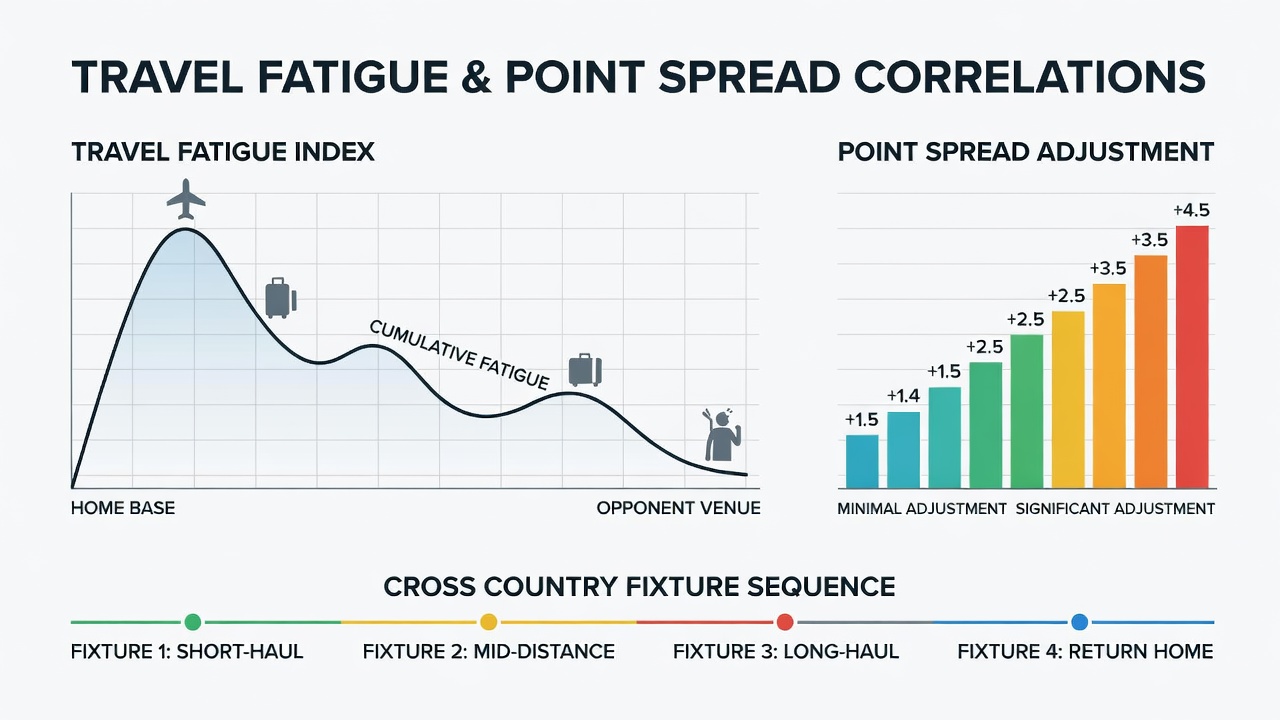
Travel Fatigue Patterns and Point Spread Shifts in Cross Country Sports Events
Travel fatigue emerges as a measurable factor in cross-country fixtures where teams cross multiple time zones and cover thousands of miles before competition, and data from various leagues shows consistent performance dips that betting markets incorporate through point spread adjustments. Observers note these shifts occur because recovery periods shorten when schedules pack games tightly together, especially during international windows in June 2026 when several federations schedule qualifiers and friendlies across continents.
Researchers tracking athlete metrics find that jet lag disrupts sleep cycles and reduces reaction times by measurable percentages, while muscle stiffness from prolonged sitting compounds the issue during the first 48 hours after arrival. Studies compiled by the Australian Institute of Sport indicate that teams traveling eastward experience steeper declines in key performance indicators than those moving westward, and oddsmakers respond by widening spreads in favor of the rested home side by an average of 1.5 to 3 points depending on distance and rest differential.
Documented Patterns in Performance Data
League records across European and North American competitions reveal repeating trends where visiting squads that endure flights longer than six hours cover less ground and convert fewer scoring opportunities in the opening half. One analysis of soccer fixtures between 2023 and 2025 demonstrated that away teams with same-day arrivals lost by margins 12 percent larger than those granted an extra rest day, prompting sportsbooks to refine their algorithms accordingly. What's interesting is how these adjustments appear most pronounced in basketball and soccer, where continuous play leaves little margin for error once fatigue sets in.
Those who've examined box scores across multiple seasons point to elevated turnover rates and lower shooting percentages as reliable markers, and the correlation strengthens when matches occur within 24 hours of landing. In June 2026, several cross-Atlantic qualifiers coincide with minimal recovery windows, giving bettors and analysts fresh datasets to examine how spreads move in real time.
Point Spread Adjustments Across Markets
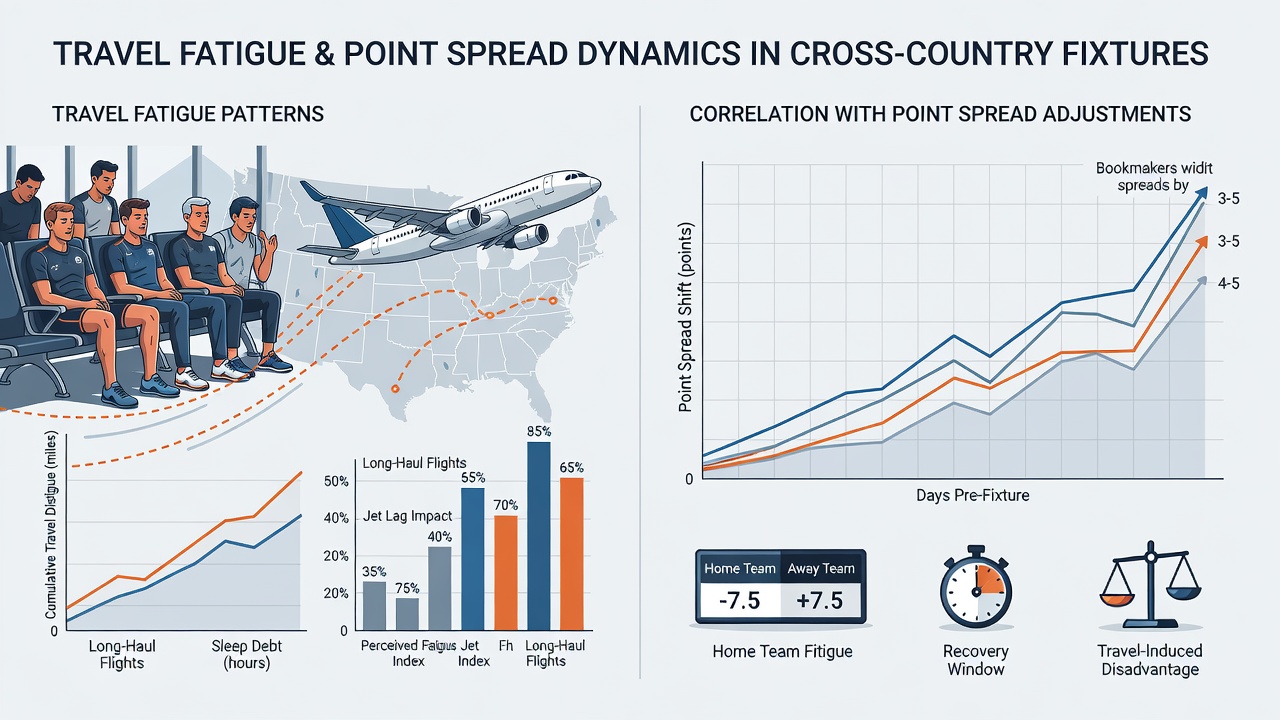
Betting operators monitor travel logs alongside historical results to calibrate lines before public release, and evidence shows spreads often shift further once injury reports confirm roster limitations tied to travel strain. Canadian gaming authorities have published participation data showing increased handle on these adjusted lines during peak international periods, while similar patterns surface in reports from the European Sports Betting Association. The ball stays in motion as sharp bettors identify discrepancies between published spreads and actual fatigue models derived from GPS tracking and heart-rate variability studies.
Take one dataset released by a university research group in 2025 that isolated fixtures involving more than eight time zones and found home favorites covered the spread at a 58 percent clip compared with 51 percent in neutral-travel scenarios. Oddsmakers incorporated that edge by nudging totals and sides accordingly, creating windows where value appeared on underdogs that arrived early or used chartered flights with better recovery protocols.
Regional Variations and Scheduling Factors
Fixtures within the same continent generate smaller adjustments because shorter flights allow quicker acclimation, whereas transcontinental trips trigger larger corrections. Observers note that Australian and Asian teams traveling to European venues face steeper point-spread movements than intra-European matchups, largely because recovery protocols differ by federation resources. Data collected through 2026 shows that matches scheduled in the afternoon local time after overnight flights produce the most pronounced performance gaps, prompting line makers to widen margins by additional half-points.
Yet midweek European club competitions sometimes mitigate effects through mandatory rest rules, and those adjustments appear reflected in tighter spreads compared with weekend international windows. People reviewing historical odds movement recognize that early line releases often tighten once team travel itineraries become public, illustrating how information flow influences the final numbers offered to the market.
Conclusion
Travel fatigue patterns continue to shape point spread adjustments in cross-country fixtures as operators integrate performance metrics with scheduling realities. Figures from multiple jurisdictions confirm that longer journeys correlate with measurable declines in away-team efficiency, and markets respond by recalibrating lines before kickoff. As June 2026 fixtures unfold, those datasets will expand, offering clearer insight into how rest differentials translate into betting adjustments across different sports and regions.