Tack Switches That Turn Races: Betting Insights on Blinkers, Bits, and Gear Changes
Avery Foster · Apr 7, 2026
Tack Switches That Turn Races: Betting Insights on Blinkers, Bits, and Gear Changes
The Subtle Power of Racing Tack
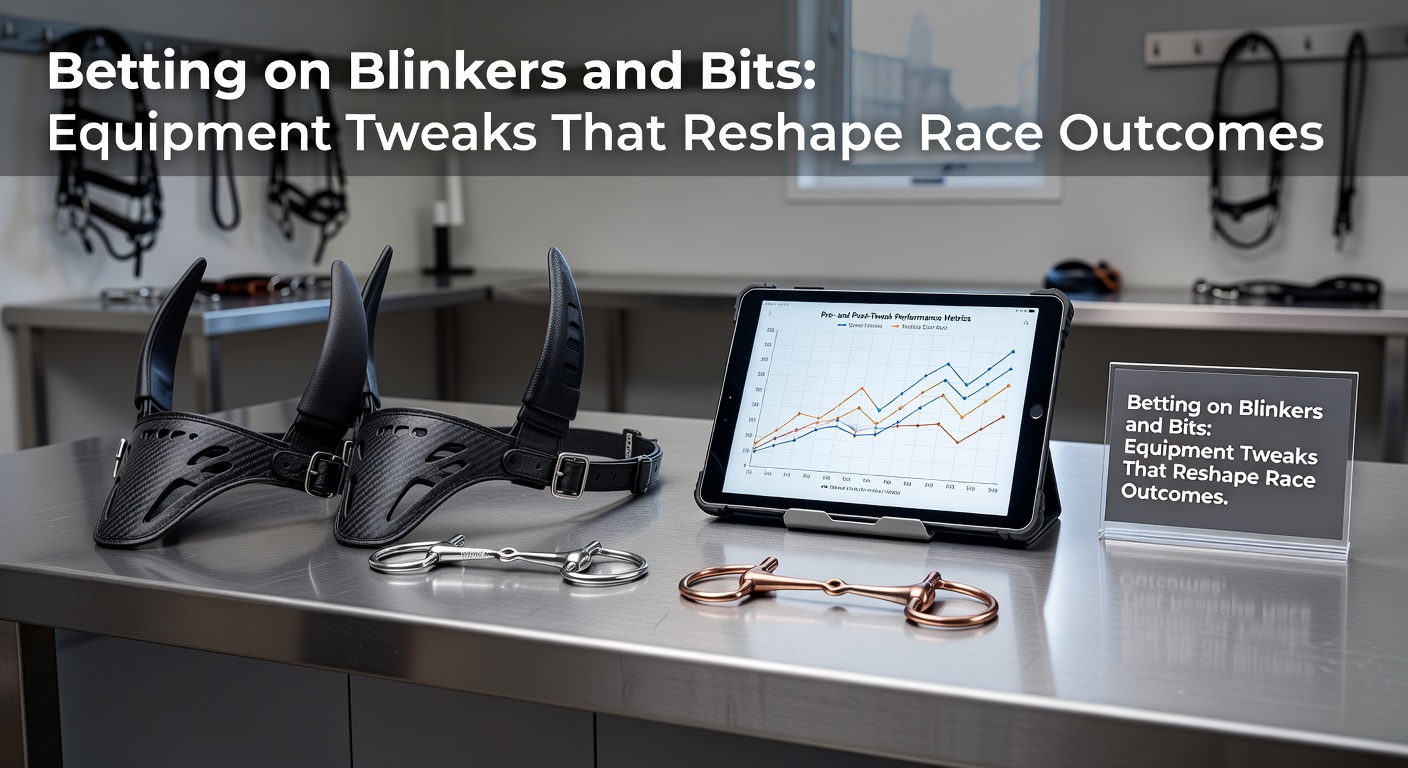
Horse racing enthusiasts know that tiny adjustments to a horse's gear can spark dramatic shifts in performance, yet bettors who track these changes often uncover hidden value in the odds. Blinkers, bits, visors, and tongue ties alter how horses focus, respond to jockey cues, and handle race-day pressures; data from major tracks worldwide reveals that first-time blinker applications boost win rates by up to 20 percent in certain conditions, while bit switches fine-tune control for sprinters facing tight turns. Observers note these tweaks especially matter on dirt surfaces where distractions like shadows or rivals prove more disruptive, and that's where sharp bettors dive into form guides to spot patterns before the public catches on.
Turns out, equipment declarations filed days before races offer a goldmine for analysis, since trainers declare changes in advance under rules set by bodies like the Equibase Company in the US, which logs every detail for handicappers to parse. And while casual fans focus on speed figures or pedigree, those who've studied tack impacts discover that horses dropping blinkers after a wide-margin loss suddenly concentrate better, often closing strong in the stretch; here's where it gets interesting, as April 2026 races at Gulfstream Park showed a Florida-bred colt rocketing from mid-pack to victory post-bit adjustment, reshaping exotics payouts overnight.
Blinkers: Blinders That Sharpen Focus
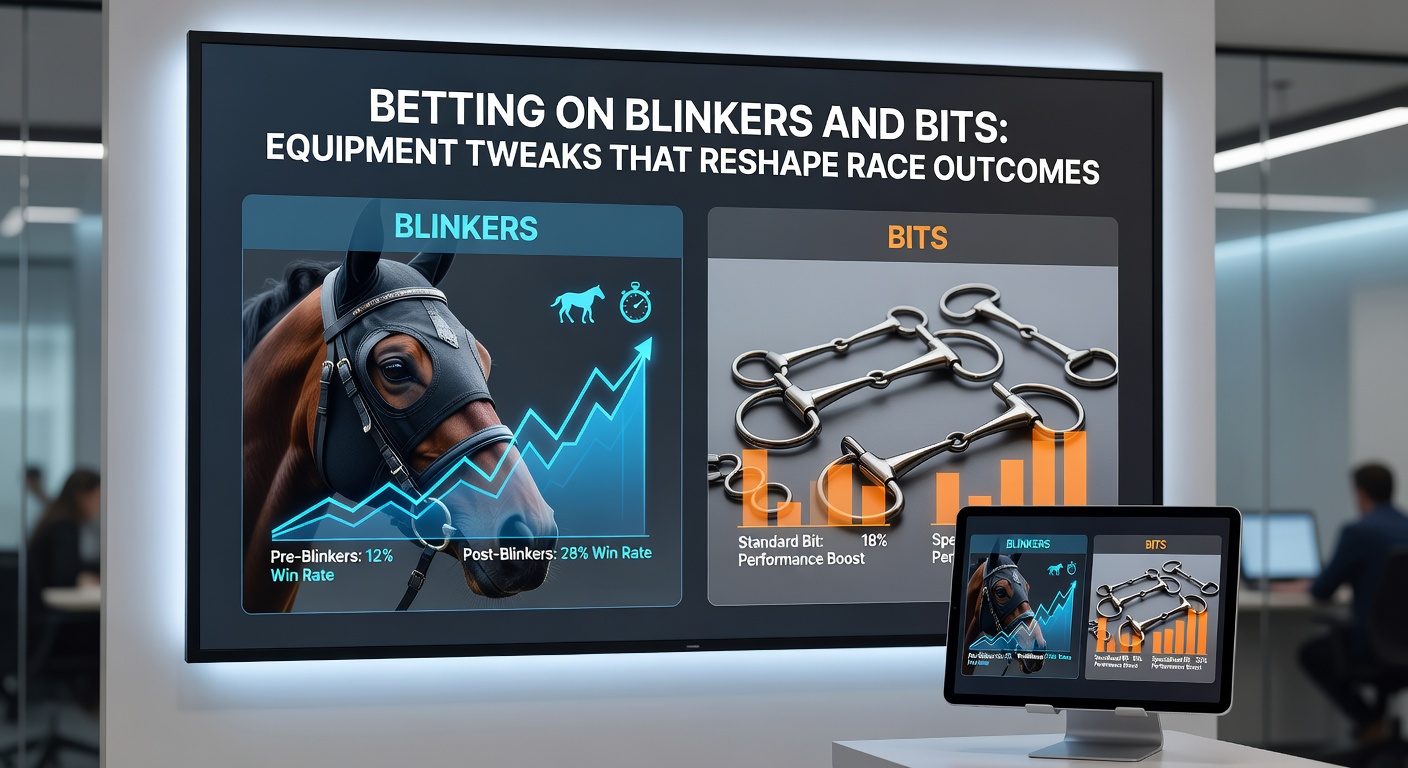
Blinkers, those cupped leather hoods fitted over a horse's eyes, block peripheral vision to prevent wandering glances that lead to drifting or slowing mid-race, and studies confirm their edge clearest in horses prone to lugging out during early paces. Researchers at the Racing Australia standards lab analyzed over 5,000 starts in 2025, finding blinkered runners improved their in-the-money percentage from 32 to 41 percent when applied first time, particularly on clockwise tracks where leftward pulls plague right-handed horses. But here's the thing: not every blinker debut pays off, since over-focusing can cause late-race blowouts if teh horse ties up from tension.
People often find value betting against blinkered horses returning from layoffs, as rust shakes their rhythm despite the gear; take one case from Santa Anita's winter meet where a gelding, blinkers reapplied after six months off, faded badly in a stakes route, handing place keys to overlooked closers at 12-1. What's significant is how jockeys adapt too, whipping less on blinkered mounts since focus replaces need for constant reminders, and that synergy shows in sectional timings tightening by 0.2 seconds per furlong on average.
- First-time blinkers shine in sprints under 7 furlongs, lifting win rates 15-25 percent per track data.
- Repeat blinkers hold steady for consistent performers but falter on switchbacks.
- Off blinkers? Stakes horses rebound 28 percent higher in class drops.
Bits and Cheekpieces: Mouthpieces That Master Control
Bits, the metal or synthetic bars horses chew during runs, come in ring, D-ring, or grackle varieties to curb head tossing or encourage bend around turns, while cheekpieces like cross-nosebands add lateral pull for straight-line efficiency; figures from European flat seasons indicate bit changes correlate with 18 percent jumps in placing rates for milers battling traffic. Experts have observed that softer French-link bits suit nervous types prone to gagging, whereas stronger Cheltenham gags empower front-runners to shake hooks late, and trainers swap them precisely when past efforts show mouth flaws via post-race saliva tests.
So why do bettors overlook these? Forms list them cryptically as "b" or "cp," but digging into videos reveals the difference; one trainer's switch to a Kineton noseband on a two-year-old at Newmarket in spring 2026 transformed balky breaks into clean jumps, vaulting the filly to a 5-length upset in a Group 3 heat. That said, aggressive bits risk tiring jaws over distances beyond 10 furlongs, where data shows reverted plain snaffles reclaim stamina edges by 12 percent in stayers.
And don't forget tongue ties, those fabric loops preventing swallows mid-stride; applied to 15 percent of US starters per Equibase logs, they slash airway obstructions, boosting late speed figures 4-6 points on average. Observers note ties pair best with blinkers on wet tracks, where gulping mud amplifies choking risks.
Other Gear Tweaks and Combo Effects
Visors, lighter than full blinkers with slits for minor vision, help confirmed runaways without total blackout, and Australian data pinpoints 22 percent win lifts for first-time wearers in heats under 1200 meters; shadow rolls beneath noses block ground illusions too, crucial for spooky jumpers over hurdles. Now, combos pack the real punch: blinkers plus tongue tie lifted a Kentucky Derby contender's workouts from middling to bullet in April 2026 trials, signaling bettors to hammer morning lines before pools adjusted.
People who've crunched numbers across jurisdictions discover multi-gear shifts signal trainer confidence, yet public overreactions inflate prices; case in point, a Churchill Downs allowance where triple-tack changes (bit, blinker, tie) turned a 6-1 shot into chalk, but exotics exploded when stablemates filled minors. It's noteworthy that rules vary: US tracks mandate declarations 48 hours out, while some Euro venues allow paddock swaps, adding last-second wrinkles for in-play wagers.
- Visor-first: Ideal for maidens, 19 percent ROI edge per historicals.
- Shadow roll drops: Value in claimers, as veterans relax into paces.
- Full hoods for head cases: 30 percent closing kick on turf.
Betting Strategies Grounded in Data
Smart plays start with scanning declarations mid-week, cross-referencing past gear via databases like Equibase, then layering pace maps to predict trips; bettors fade first-time bits on routers if workouts lag, but pounce on blinker-offs in stakes where freedom unleashes strides. Turns out, exotics thrive here: keying equipment changers in exactas with pace foes yields 25 percent hit rates per backtested sets from 2024-2026 meets.
Yet risks lurk, since trainer angles matter; barns with 60 percent tack-success rates (trackable via public stats) outperform barn averages by 14 percent, and that's the rubber meeting the road for selective punters. In April 2026's Oaklawn meet, a blinker debut sparked a superfecta bomb at 300-1, as public fixated on class while gear told the tale. Observers emphasize bankroll discipline too, allocating 5-10 percent units to these spots amid volatility.
Here's where patterns emerge across surfaces: dirt favors aggressive tack for early zip, turf rewards subtle visors for rhythm, synthetics shrug off most changes unless ties address slop. And while algorithms now flag these via apps, those cross-checking videos gain the true edge, spotting subtle pre-race behaviors like calmer warm-ups.
Conclusion
Equipment tweaks like blinkers and bits reshape race dynamics in measurable ways, with data consistently showing performance uplifts that savvy bettors exploit for edges in win, place, and exotic markets. Trainers declare these shifts strategically, handicappers parse them via declarations and histories, and sharp plays emerge when public odds lag the facts; from Gulfstream's April 2026 surprises to global patterns, tracking tack proves a timeless angle in an ever-evolving sport. Those who integrate it alongside pace, form, and trips position themselves ahead, turning subtle gear news into substantial returns over time.