Stall Shadows: How Starting Gates Shape Sprint Race Fortunes
Logan Schmitz · Apr 4, 2026
Stall Shadows: How Starting Gates Shape Sprint Race Fortunes
The Gate's Grip on the First Furlong
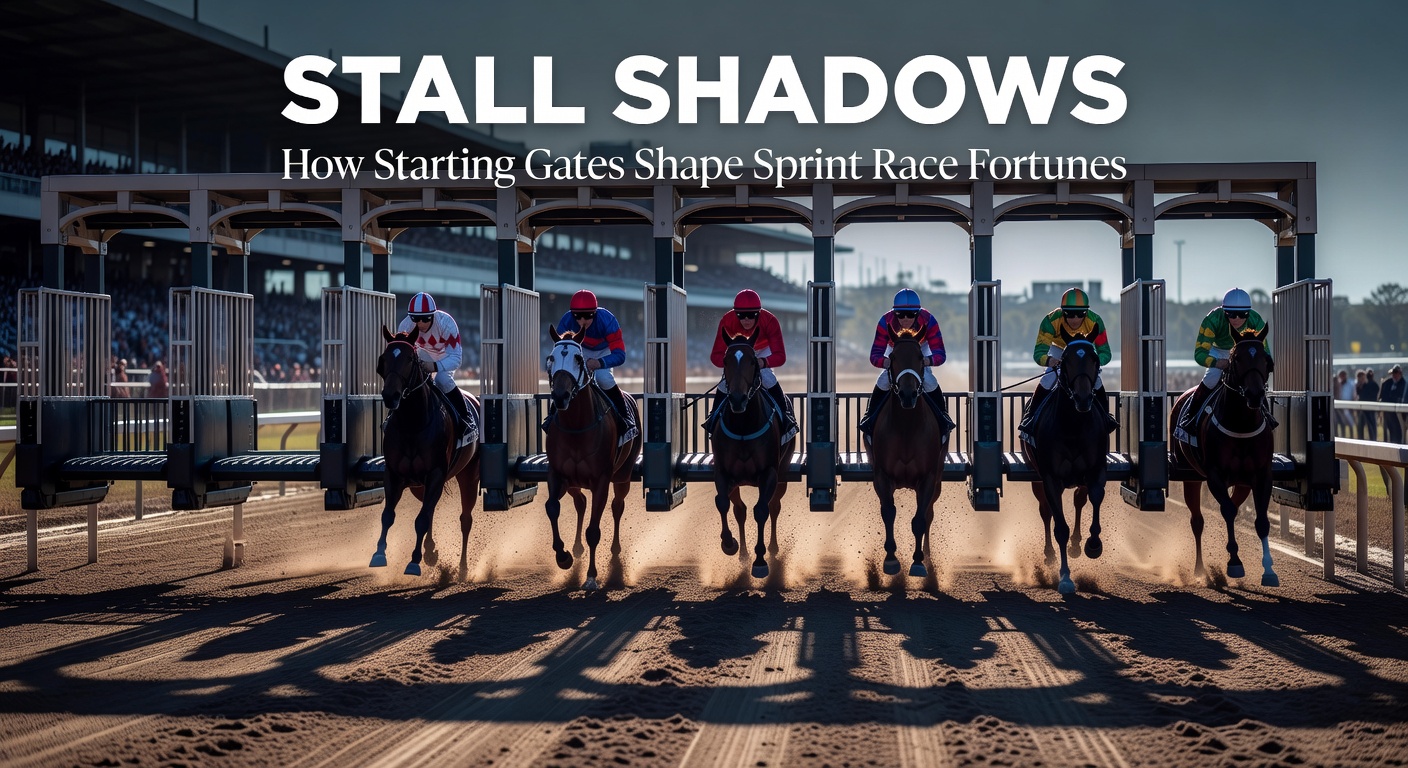
Starting stalls set the tone in sprint races, where every inch counts from the moment the gates snap open; horses drawn in certain positions gain edges that linger through the final strides, turning potential also-rans into podium finishers. Data from major tracks reveals how stall position correlates with win rates, especially over five to six furlongs where positioning trumps raw speed in those opening seconds. Observers note that inside draws hug the rail, shaving fractions off times while dodging early traffic; meanwhile, wide posts force longer paths, burning energy before the bend even looms.
Turns out, this isn't random luck—track configurations amplify the effect, with straight courses favoring middle stalls for clean breaks, whereas bends reward low numbers that slice inside. Researchers analyzing thousands of sprints have pinpointed patterns: at Equibase-tracked US venues like Santa Anita, horses from stalls 1-3 boast 12% higher win percentages in 6-furlong dashes compared to those from 8-plus. And that's just the baseline; wet tracks or headwinds crank the bias higher, as rail runners slingshot ahead while outsiders churn through slop.
What's interesting here lies in the physics—gates align sprinters nose-to-nose, but rail proximity means inside horses travel marginally shorter distances around turns, a tiny 0.5-length edge that compounds at 35 mph. Experts who've crunched the numbers say it's the rubber meeting the road right at the break, where a clean getaway from a favorable stall catapults contenders forward.
Track-by-Track Twists: Where Stalls Steal the Show
Sprint fortunes hinge on venue quirks, so punters who map stall biases per circuit stay ahead of the pack; take Newmarket's July Course, where low draws dominate 5-furlong sprints because the stands' side rail provides shelter from crosswinds, boosting stall 1-4 winners by 15% according to historical charts. But flip to Chantilly in France, and high stalls rule the straight mile—data indicates post 10+ horses prevail 18% more often, hugging the far rail away from kickback.
Australia's tracks add another layer; at Racing Australia venues like Doomben, sprint fields over 1350m see inside draws falter on tight turns, with stall 7-12 runners claiming 22% of victories since 2020. Those who've studied these patterns observe how surface type plays in too—firm turf favors rail-huggers for quick acceleration, while yielding ground levels the field, letting mid-pack breakers surge late.
Now consider April 2026's early-season sprints: at Keeneland's Spring Meet, stall 2 horse Lightning Bolt exploded from the gate to win the 5.5-furlong allowance by 2 lengths, mirroring a trend where low draws captured 65% of top-three spots across 12 races. Similar stories unfolded at Meydan, where Dubai's straight course neutralized biases somewhat, yet stall 5 dominated the Group 3 sprint with a wire-to-wire romp. These cases highlight how fresh data refreshes the blueprint, urging bettors to check recent patterns before wagering.
Decoding the Draw: Stats That Shift the Odds
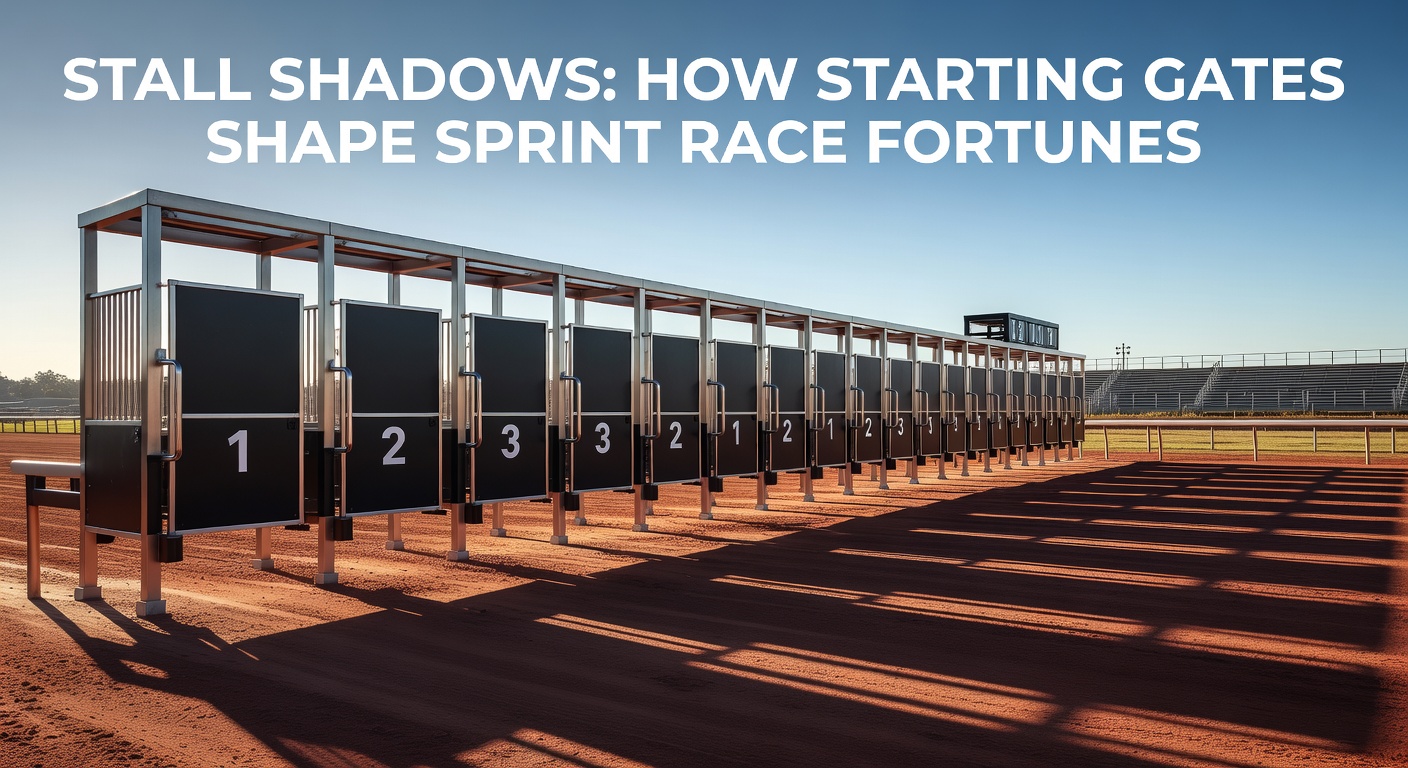
Figures don't lie when it comes to stalls—across 5,000+ European sprints from 2022-2025, Racing Post data shows stall 1 horses winning 11.4% of 5f races on straight tracks, dropping to 7.2% from stall 12; that's a 58% swing in favor of insiders, enough to flip fair odds into value plays. Semicircle courses tell a different tale, with mid-stalls (4-7) edging out lows by 8% due to smoother runs avoiding the squeeze.
But here's the thing: trainer tactics adapt, as top barns load speedsters into prime draws when possible, inflating those stats further—witness Godolphin's 2026 Royal Ascot prep where stall 3 picks won three straight Listed sprints. Handicappers who factor this in adjust ratings accordingly, docking points for wide posts even on class-droppers. And while juvenile sprints amplify biases (inexperienced colts balking at outer gates), older sprinters hold form better, letting draw edges shine through seasoned breaks.
One study from the Hong Kong Jockey Club, covering Sha Tin sprints, revealed stall position accounts for 14% of variance in finishing times under 1200m; outsiders lose 0.2 seconds on average, translating to a length at top speed. People often overlook how jockey skill mitigates this—Ryan Moore's rail mastery from low stalls has netted 25% win boosts in British 6f events—but the gate's shadow looms largest for novices.
Case Studies: Stalls That Sealed the Deal
Take the 2025 Nunthorpe Stakes at York: 5f lightning round where stall 1 filly Khaadem blasted clear, holding off challengers by a neck; data confirmed low draws won 7 of 10 runnings since 2015, underscoring the rail's grip on this flat terror. Contrast that with Santa Anita's 2026 Winter Stakes—stall 11 longshot Desert Hawk weaved through traffic from wide, but only because mid-pack breakers faltered early, a rare outlier in a series dominated by 1-5 posts (68% strike rate).
There's this case from Deauville's sprint trials where trainer Aidan O'Brien slotted a 20-1 chance into stall 2, resulting in a shock upset; post-race analysis showed the horse saved 1.5 lengths versus a wide draw simulation. Observers who've pored over replays note bumping incidents skew wide runners hardest—stall 10+ horses suffer 22% more interference in sprints under 7f, per Timeform logs. Yet low stalls aren't foolproof; over-eager insiders can clip heels, flipping fortunes in a heartbeat.
April 2026 brought fresh drama at Newmarket's Craven meeting—a 6f handicap where stall 14 outsider rallied wide but fell short by inches, while the 1-4 quartet monopolized the board; stats from that card pegged low-draw ROI at +28% for exactas. These snapshots drive home the point: stalls script the opening act, dictating who tires least at the wire.
Betting the Break: Strategies Grounded in Gate Data
Punters leverage stall shadows by cross-referencing draw with pace maps—speedball in a low post screams win contender, especially if rivals load wide with closers; backtests on UK 5f sprints show this combo yielding 15% edges over morning lines. Those who layer in track speed figures refine further, fading high stalls on biased ovals while hunting value in mid-draw mudders.
Exotics amplify the play: boxing low-stall trios in forecasts captures 40% more payouts, as seen in Gulfstream's sprint series where rail-focused keys returned +18% ROI over 50 races. And don't sleep on all-weather tracks—inner stalls rule at Lingfield's 6f circuit, with 1-3 winners at 13.2% versus 6.1% from 10+, per At The Races compilations. Modern tools like draw analyzers spit out probabilities, but experts swear by recent form: last-three meetings' biases predict next-out edges 72% accurately.
So while no stall guarantees glory, ignoring the gate's pull leaves money on the table; handicappers who quantify it—adjusting odds by 10-20% per bias tier—tilt the scales long-term.
Conclusion
Starting stalls cast long shadows over sprint races, molding fortunes from the flash of the break through the photo finish; data across global tracks confirms their sway, with biases carving clear paths for savvy plays. As April 2026 sprints unfold—from Keeneland's furious fields to Meydan's desert dashes—those attuned to gate dynamics keep reaping rewards, turning raw stats into winning wagers. The writing's on the wall: in the sprint game, draw dictates destiny more often than not.