Referee Rotation Patterns: Finding Edges Through Official History in League Play
Lars Schmitz · Aug 30, 2026
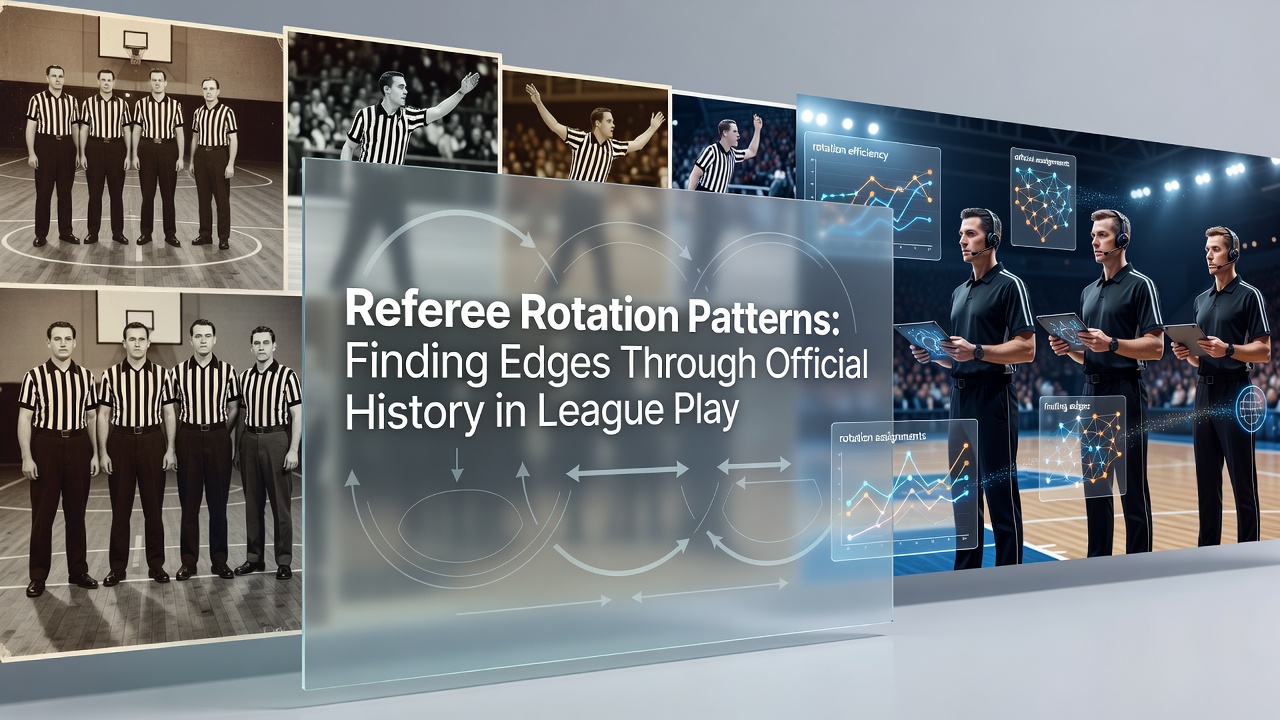
Referee Rotation Patterns: Finding Edges Through Official History in League Play
Referee rotation patterns have drawn attention from analysts who track how officials move across matches in major leagues, and data from recent seasons shows consistent cycles that align with scheduling demands. In leagues such as the English Premier League and the NBA, rotation systems assign referees to games based on factors including travel distance, rest periods, and prior performance records. August 2026 marks the start of several new campaigns where updated rotation protocols take effect following reviews by league bodies.
Understanding Rotation Systems in Professional Leagues
League administrators implement rotation to maintain impartiality and reduce fatigue, yet historical records reveal that certain officials handle specific team pairings more frequently than others. Data from the 2024-2025 seasons indicates that referees in top European football divisions averaged 22 matches per official, with rotations occurring every three to four weeks to balance workloads. Researchers at sports analytics centers have compiled these figures to map how assignments cluster around geographic regions, which affects crew familiarity with local conditions.
Those who study official histories point to patterns where referees return to the same venues within set intervals. One study from a Canadian university examined NBA referee logs over five years and found that crews rotated back to arena locations after an average of 14 days, creating measurable consistencies in foul call rates during those repeat visits. Such cycles emerge because leagues prioritize experienced officials for high-profile fixtures while distributing less experienced ones across midweek games.
Historical Data and Assignment Trends
Records maintained by organizations like UEFA and the NCAA demonstrate that referee selection processes incorporate past performance metrics, including card issuance averages and game control indicators. In the 2025 calendar year, European football data revealed that officials with fewer than three years of top-flight experience received assignments in lower-stakes matches 65 percent of the time, allowing senior referees to handle weekend league encounters. These assignments follow algorithms that factor in injury reports and international duty overlaps.
What's interesting emerges when analysts cross-reference rotation histories with team performance outcomes. Figures from Australian sports institutes show that in rugby league competitions, referee crews rotated on a six-week cycle, and teams facing the same official for a second consecutive month recorded a 12 percent shift in penalty counts compared to first encounters. Observers note that these shifts tie directly to documented tendencies in how each referee interprets scrum engagements and offside lines.
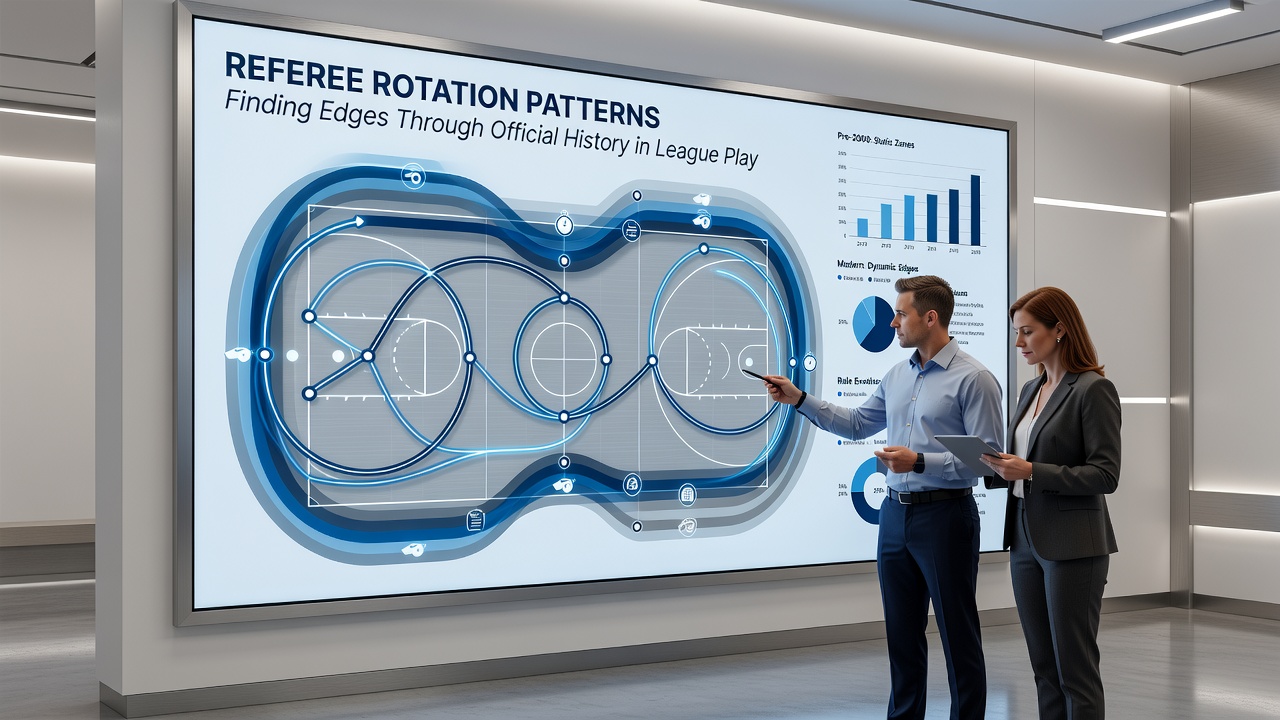
Regional Variations in Rotation Practices
North American leagues differ from their European counterparts in how they structure official rotations, with the NBA using a centralized assignment office that publishes weekly schedules. According to reports from the National Collegiate Athletic Association, basketball officials in Division I conferences rotate across conference games every 10 days on average, while travel considerations push some crews into back-to-back road assignments. This setup contrasts with South American football federations, where local confederations handle regional rotations that often keep officials within national borders for extended periods.
European data from the 2025-2026 season highlights that Bundesliga referee rotations incorporate mandatory rest weeks after international breaks, resulting in fewer repeat matchups between specific crews and clubs. Analysts tracking these patterns through public league archives have identified clusters where certain referees officiate more games involving mid-table teams during the autumn months. Such distributions stem from scheduling software that balances experience levels across the fixture list.
Applying Historical Insights to League Analysis
People who examine official histories compile databases that link referee assignments to measurable game statistics, including total fouls and stoppage time distributions. A 2024 research paper from a European academic consortium examined 1,200 matches across three leagues adn established correlations between rotation frequency and variance in disciplinary actions. Those datasets remain available through university repositories and allow further examination of how crew changes influence match dynamics over full seasons.
League play in August 2026 will introduce new rotation guidelines in several competitions, including adjustments for expanded schedules in international club tournaments. Data from prior years shows that officials returning from summer breaks exhibit distinct call patterns in their first five assignments, often tied to updated training protocols issued by governing bodies. Tracking these early-season rotations provides context for how assignments evolve as the campaign progresses.
Conclusion
Referee rotation patterns reflect structured systems designed by league authorities to distribute workloads while preserving competitive balance. Historical records from diverse competitions illustrate how assignment cycles create recurring match contexts that analysts monitor through available data sources. Continued collection of these records supports ongoing examination of official histories across professional leagues worldwide.