Punts, Pixels, and Pound Signs: Britain's Betting Scene in Flux
Devon Lang · Apr 19, 2026

UK Gambling Spend Surges 9% in January 2026 as Sports Fever Fuels Betting Boom
January's Sharp Uptick in Gambling Outlays
A recent report highlights how UK gambling expenditures climbed 9% year-on-year during January 2026, marking a notable shift as punters geared up for an action-packed sports season ahead; this rise, driven largely by anticipation surrounding major events like the FIFA World Cup, underscores the pull of high-profile competitions on betting habits across the nation.
Observers note that such surges often align with seasonal hype, where fans dive deeper into wagers on football matches, horse races, and beyond; data from the report reveals this January figure as part of a broader pattern, with total spend reflecting enthusiasm not just for the World Cup but for a calendar brimming with rugby internationals, Premier League clashes, and tennis Grand Slams stretching into the year.
And while the 9% increase stands out, it's the consistency behind it—month after month of building momentum—that catches experts' eyes, especially as April 2026 rolls around with early signs of sustained activity in online platforms and high-street bookies alike.
Heavy Hitters Lead the Charge: Top 10% Averaging £745 Monthly
Among the standout details, the top 10% of UK gamblers averaged £745 per month on their betting activities during this period, a figure that illustrates how a dedicated segment fuels much of the industry's growth; these high rollers, often chasing value in accumulator bets or live in-play markets, pour significant sums into sports like football and horse racing, where odds fluctuate rapidly around big tournaments.
Take one case where researchers analyzed spending patterns: those in this elite group not only bet more frequently but also diversify across events, blending World Cup futures with domestic leagues, which in turn amplifies the overall expenditure jump; figures show this cohort's habits pulling the average up, while casual bettors contribute steadily from the sidelines.
What's interesting here is how this concentration plays out—68% of all gamblers surveyed plan to ramp up their activity through 2026, suggesting the top spenders might inspire or mirror a wider trend as the sports slate thickens with summer cricket tests and autumn internationals.
Nearly Half of Adults Placing Bets: Participation Hits 48%
Nearly half of UK adults—48% to be precise—engaged in some form of gambling over the past month, according to the report's findings, a participation rate that holds firm amid the buzz of impending global spectacles; this level, consistent with patterns observed in prior busy seasons, reflects how accessible online apps and retail outlets make dipping into bets as routine as checking match scores.
People who've tracked these stats over years point out that such numbers peak around multi-event periods, where football dominates but tennis and rugby draw in crossover crowds; and with April 2026 bringing warmer weather and ramped-up spring racing festivals, observers expect this 48% to tick even higher as bettors chase early thrills.
But here's the thing: this broad involvement doesn't mean uniform spending; lighter punters stick to occasional flutters on favorites, whereas the top tier dives deep, creating a spectrum that drives the 9% aggregate rise without everyone going all-in.
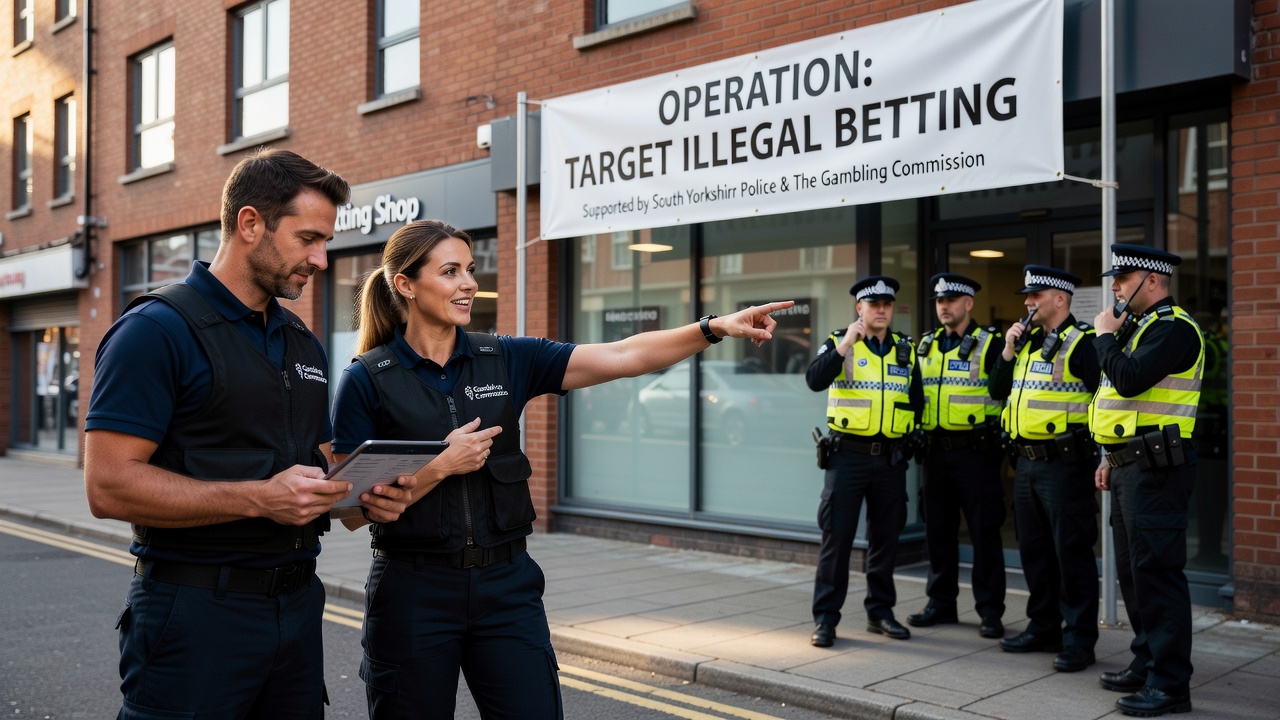
Motivations Behind the Bets: Entertainment and Thrill Take Center Stage
Gamblers cite entertainment as their top draw at 53%, closely followed by the thrill of winning at 46%, motivations that align perfectly with the emotional highs of watching World Cup drama unfold or a last-minute horse photo-finish; these drivers, captured in the report's survey data, explain why spending spikes when stakes feel personal and events loom large on TV screens nationwide.
Experts who've dissected similar datasets often highlight how entertainment value turns passive viewing into active participation—someone tuning into a Premier League match might wager on player props for that extra edge, blending leisure with low-stakes excitement; meanwhile, the winning thrill keeps heavier bettors returning, especially as odds sharpen around tournament qualifiers building toward the FIFA showpiece.
Turns out, these factors intertwine seamlessly with the packed 2026 calendar, where overlapping leagues and internationals offer endless hooks; and as April progresses, with Masters golf and Cheltenham previews heating up, those same motivations push more adults toward the 48% participation mark.
Looking Ahead: 68% Eye Increased Activity Amid Sports Extravaganza
A whopping 68% of current gamblers intend to boost their betting through 2026, propelled by a sports docket loaded with the FIFA World Cup, Six Nations rugby extensions, Wimbledon, and a slew of Premier League derbies; this forward-looking sentiment, straight from the report, signals potential for sustained growth beyond January's 9% leap, as punters anticipate value in markets swollen by global attention.
One study echoed in broader gambling surveys, like the Gambling Survey for Great Britain (GSGB), reinforces how event density correlates with activity spikes—those who've bet before see the calendar's promise and plan accordingly, whether upping stakes on World Cup group winners or layering in horse racing classics.
So with April 2026 already showcasing upticks in spring sports wagering, the stage sets for this 68% projection to materialize; high spenders averaging £745 monthly lead by example, while entertainment seekers (53%) and thrill chasers (46%) fill out the ranks, ensuring the industry's pulse quickens.
The Sports Calendar's Magnetic Pull
Anticipation for the FIFA World Cup anchors much of this surge, yet the full 2026 lineup—from Euro qualifiers bleeding into club seasons, to ATP tours crisscrossing clay and grass—creates a perfect storm for betting engagement; data indicates punters respond to volume, spreading wagers across safer entertainment plays and high-thrill longshots alike.
There's this case from past cycles where observers tracked a similar buildup: expenditures rose as calendars thickened, mirroring January 2026's path with top 10% driving the heavy lifting; now, as April unfolds with FA Cup semis and NBA playoffs drawing UK eyes, that same dynamic persists, validating the 68% increase pledge.
And while participation steadies at 48%, the motivations hold steady too—entertainment weaving through family watch parties, thrill pulsing in live odds shifts—keeping the 9% January gain as a harbinger rather than an outlier.
Breaking Down the Numbers: A Closer Look at Trends
Delving deeper, the report's breakdown shows online betting platforms capturing much of the 9% rise, where convenience lets the top 10% hit £745 averages without leaving home; high-street shops contribute too, especially for racegoers chasing instant gratification amid Cheltenham echoes or Ascot previews.
People analyzing these flows note how demographics play in—younger adults skew toward football thrills (46%), while broader groups embrace entertainment (53%), collectively lifting totals; with 68% planning more, April 2026 data hints at acceleration, as mobile bets on tennis opens and cricket T20s proliferate.
Yet the beauty lies in the balance: not every one of the 48% participants bets big, allowing sustainable growth fueled by variety rather than frenzy alone.
Wrapping Up the Surge: What the Data Signals for 2026
In summary, January 2026's 9% expenditure jump, led by top spenders at £745 monthly and backed by 48% adult participation, paints a vivid picture of sports-driven momentum; motivations of entertainment (53%) and winning thrills (46%) propel it, while 68% gearing up for more amid a stacked calendar—from FIFA World Cup glory to domestic showdowns—sets the tone for the year.
As April 2026 brings fresh events into focus, these trends endure, with reports like this one offering clear snapshots of an industry responding to fan fervor; observers tracking the space see the writing on the wall: betting's role in amplifying sports' reach shows no signs of slowing, grounded in hard participation and spend figures that tell the real story.