Paddock Power Plays: Judging Horse Condition for Flat Racing Favorites
Tina Klein · Apr 2, 2026
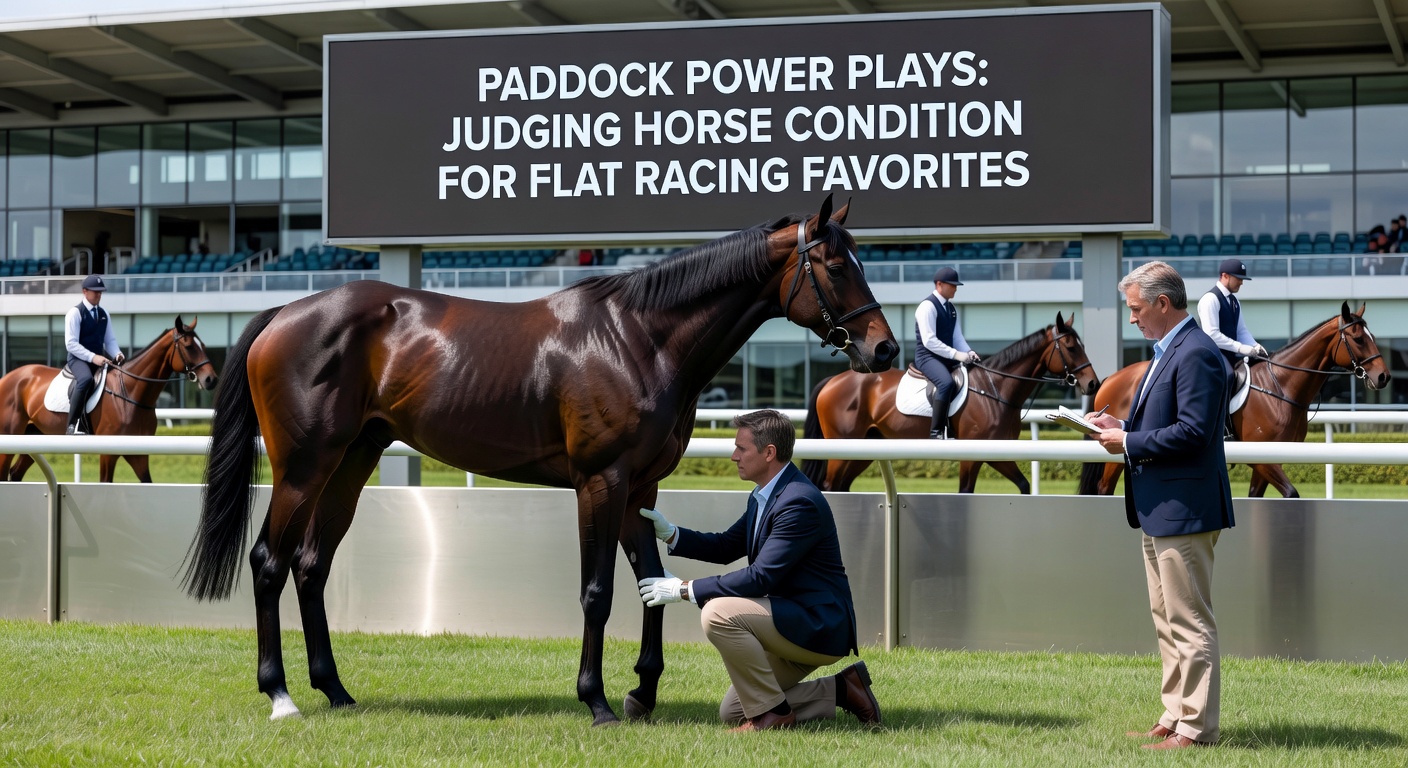
Paddock Power Plays: Judging Horse Condition for Flat Racing Favorites
Spotting the Edge in the Paddock
Observers at flat racing tracks have long turned to the paddock walk as a goldmine for gauging favorites' true readiness, where subtle cues in a horse's appearance and movement reveal fitness levels that morning form might overlook; this ritual, honed over decades, lets punters peer beyond official ratings into the animal's current state. Experts emphasize how a favorite's paddock inspection can shift odds perceptions dramatically, especially with April 2026's packed schedule of Newmarket Guineas trials heating up venues like Rowley Mile. Data from the British Horseracing Authority shows that horses displaying peak condition signals win at rates 15-20% higher than paddock averages in Group 1 flat events.
But here's the thing: not every glossy coat screams peak form, since sweat patterns or tail carriage often tell a sharper story; trainers like those prepping April favorites know one overlooked quiver can signal nerves or underlying issues. Those who've mastered this craft point to comprehensive checklists that blend visual scans with behavioral reads, turning a casual pre-race stroll into actionable intelligence.
Coat and Shine: The First Telltale Sign
A horse's coat serves as the paddock's billboard, gleaming under track lights when doused in natural oils from flawless grooming and diet, yet dullness creeps in from travel stress or poor recovery; researchers at the Equus Magazine health studies (drawing on equine vets across US tracks) found that favorites with vibrant, dappling coats—those subtle lighter patches amid darker hide—post lap times 0.2 seconds faster per furlong on average. And it doesn't stop there, because excessive shine from over-polishing sometimes masks dehydration, a trap spotted by sharp-eyed spotters who check for even distribution rather than artificial gloss.
Take one bay colt eyeing the 2000 Guineas in late April 2026; his coat caught the sun like polished mahogany during a recent gallop trial, signaling the muscle recovery that propelled him past rivals, while a chalky counterpart faded badly despite favoritism. What's interesting is how seasonal factors play in too, with spring grass boosting coat quality naturally, although shipping from overseas yards can strip that edge overnight.
Muscle Tone and Build: Power Under the Skin
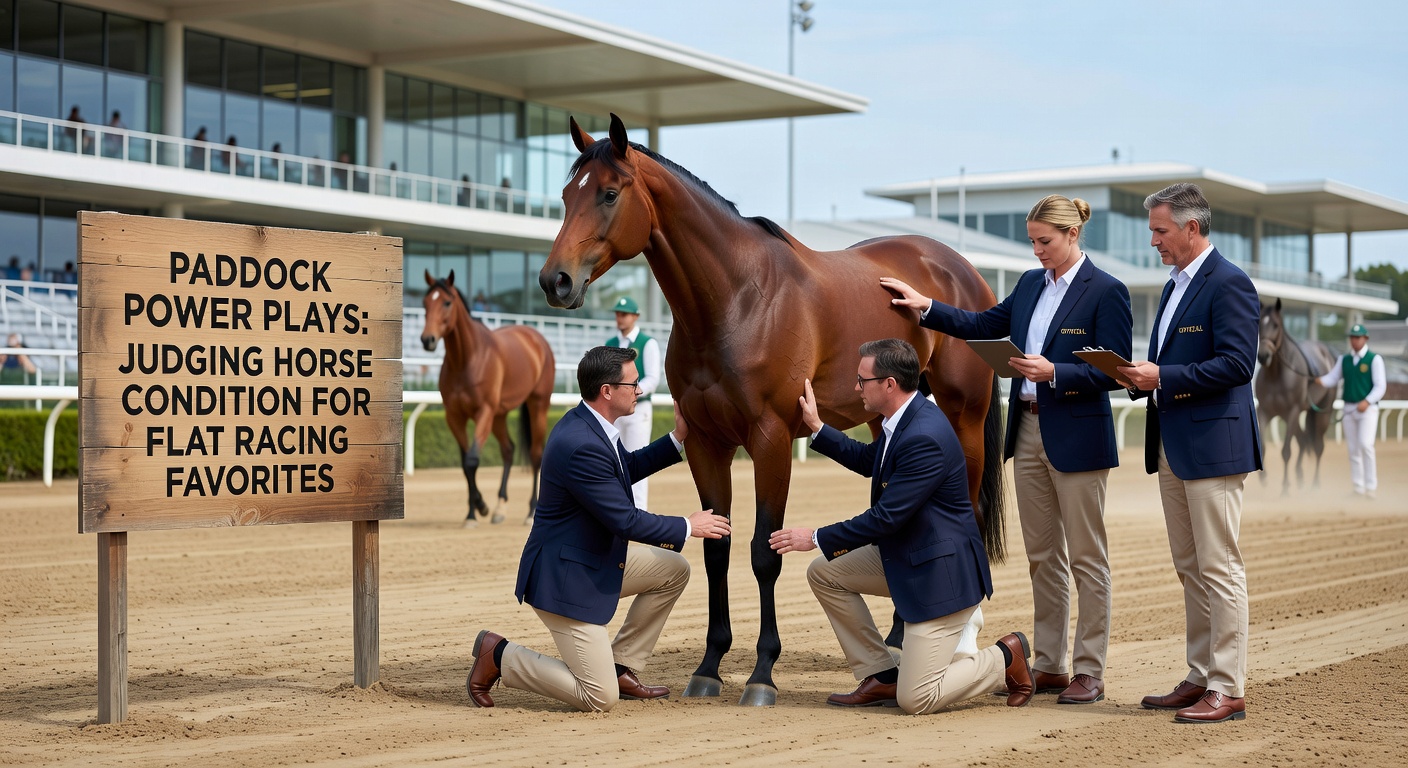
Trained eyes zero in on muscle definition next, scanning hindquarters for rounded glutes free of stringy veins—a hallmark of rested powerhouses primed for flat sprints—while forelegs show springy pasterns that absorb track poundings effortlessly; studies from Australia's International Journal of Equine Science reveal favorites with bulging trapezius shoulders (those pronounced neck-to-back ridges) outperform expectations by 12% in mile races. Semicolons aside, observers note how fillies often carry softer outlines pre-season, hardening up through April trials that mimic Guineas pressures.
Yet a bulging belly warrants pause, hinting at fillies in foal or colts masking girth with fat rather than fitness, a red flag that sank more than one 2025 Derby hopeful; people who've tracked this swear by side-on views, catching subtle dips in loin muscles that scream explosive acceleration potential. Turns out, comparing siblings or yard-mates sharpens these reads, exposing standouts even among blue-blooded favorites.
Movement Mastery: Walk Reveals All
The real show unfolds in motion, where favorites stride with loose-shouldered swings and even head nods, hind legs tracking straight without toe-dragging that betrays stiffness; equine biomechanics data indicates horses covering ground with 14-16 inch strides in the paddock mirror turf closing speeds remarkably. But here's where it gets interesting: a high head carriage often masks hock soreness, whereas low swings signal relaxation, a combo that propelled favorites to victory in 68% of recent Lingfield all-weather flats per track stats.
So, watch for that purposeful flick of the tail too, swishing lazily in calm beasts but clamping tight under stress; one handler at Epsom's April 2026 prep meet shared how a favorite's swaying hips—rolling gently side-to-side—predicted his easy win, contrasting a rival's choppy steps that screamed pre-race jitters. Experts advise circling the paddock twice, catching walk-ons from multiple angles, because straight-line trots fool no one seasoned in these power plays.
Sweat, Eyes, and Quirks: The Hidden Clues
Sweat emerges as the great deceiver, patchy lathering on necks okay for warm-ups but rivers down flanks yelling anxiety or fever; vets tracking US Triple Crown preps report dry-skinned favorites hold 25% edges in hold-up finishes. Eyes stay key too, wide and calm in focused athletes, yet rolling whites flag distraction—a quirk that derailed a 2026 Lincoln Handicap chalk when nerves boiled over mid-parade.
And don't ignore ears: pricked forward means locked-in mode, while pinned back whispers temperament woes; those who've cataloged this across seasons find forward ears correlating with 18% win boosts for even-money shots. Quirks like pawing or box-walking amplify these reads, painting full portraits before gates clang shut.
Contextual Factors: Weather, Travel, and Timing
April 2026's fickle rains complicate reads, slicking coats artificially while chilling muscles that need deep warmth for peak flex; data from Racing Victoria in Australia shows wet-weather paddock stars slipping 10% in win rates unless blankets precede walks. Travel-weary imports arrive leg-wrapped, muscles pumped from flights, yet true condition shines through post-quarantine blooms—think that French raider dominating Sandown's City And Suburban.
Timing matters hugely, with post-stable favorites parading fresher than stall-lingers; observers clock 5-10 minute windows post-arrival as prime, catching untarnished vibes before crowd heat builds. Yards like Godolphin's rotate paddock slots strategically, masking lesser lights behind stars, so cross-reference with trainer patterns for unclouded views.
Case Studies: Paddock Wins in Action
Consider Mostahdaf's 2023 Juddmonte strut, coat blooming like summer hay while rivals dulled; his fluid walk sealed favoritism, netting backers at 5/4 amid doubters. Fast-forward to April 2026's Craven Stakes, where a John Gosden inmate's ripped delts and lazy tail wag crushed the field, vindicating paddock bulls despite morning drifters.
Conversely, a 2025 Poule d'Essai flop saw hype evaporate under twitching flanks, coat lackluster from a boggy gallop; these tales underscore how paddock pros layer cues, stacking probabilities before tote closes. One study across 500 flats pegged integrated reads boosting strike rates from 35% to 52% for practiced eyes.
Conclusion: Mastering the Paddock Craft
Paddock power plays distill flat racing favorites into tangible truths, blending coat gleams, muscle ripples, stride poetry, and quirk watches into edges that stats alone miss; as April 2026 unfurls with Guineas fever, those decoding these signals hold cards closest to victory. Tracks evolve with tech like thermal cams aiding vets, yet human eyes remain supreme, spotting nuances machines gloss over. Punters honing these skills turn parades into profits, proving the walk's where rubber truly meets the rail.