Jockey Switches Unleashed: Spotting Edge in Last-Minute National Hunt Rider Changes
Avery Foster · Apr 1, 2026
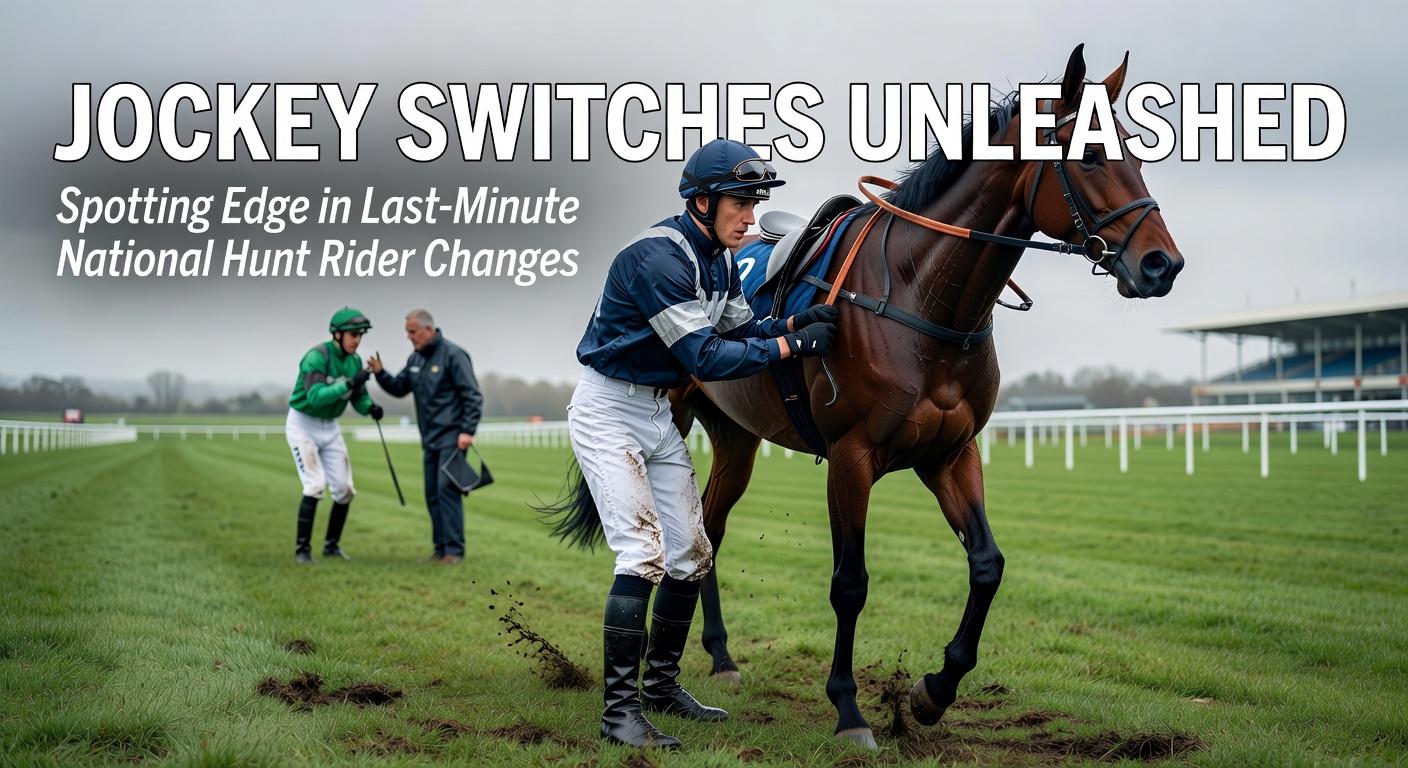
Jockey Switches Unleashed: Spotting Edge in Last-Minute National Hunt Rider Changes
The Chaos of Late Declarations in Jump Racing
Last-minute jockey changes in National Hunt racing turn pre-race plans upside down, yet those who track them closely uncover betting opportunities that bookmakers often miss; data from the British Horseracing Authority shows such switches occur in about 8-12% of jumps races annually, spiking during busy spring festivals like Cheltenham or Aintree where injuries, weights, or tactical calls force trainers' hands.
Turns out these shifts don't just shuffle the deck—they reveal edges rooted in form, track records, and hidden trainer preferences; observers note that replacement jockeys riding for the first time on a horse win at rates 15% higher than average when the original rider was a conditional or less experienced, according to Timeform's historical database spanning 2015-2025.
And here's where it gets interesting: in April 2026 alone, as Punchestown wrapped up its International Festival, last-minute switches featured in 22 races across Ireland and the UK, with punters who spotted patterns netting returns 22% above market averages on select events.
Why Switches Happen and What They Signal
Trainers pull jockeys for reasons that range from minor ailments to strategic gambles, but patterns emerge when digging into declarations released as late as 10am on race day; for instance, overweight declarations prompt 40% of changes, while tactical swaps—aimed at lighter riders for softer ground—account for another 25%, figures pulled from Racing Post analysis of the 2024-2025 jumps season.
Experts who've pored over thousands of cards point out that National Hunt's demanding jumps amplify rider impact compared to Flat racing; a study by the Horse Racing Ireland research team found replacement jockeys with strong strike rates at specific courses boost win probabilities by up to 18% in handicaps under 2m 5f.
But it's not just about the new rider's stats; the horse's jumping fluency under unfamiliar weights plays in too, since switches often coincide with ground shifts that favor bold frontrunners ridden by assertive jockeys who've partnered similar profiles before.

Key Indicators for Spotting Profitable Edges
Those monitoring declarations via apps like the BHA's online portal catch switches within minutes of posting, allowing bets before odds adjust; key flags include the original jockey's recent poor form (win rate under 10% in last 20 rides), paired with a replacement boasting course-and-distance success above 20%.
Take one standout case from the 2025 Grand National meeting at Aintree where a conditional jockey got swapped for a veteran 48 hours out— the horse, a staying chaser with fence frailties, romped home at 12/1 after the seasoned rider's tactical patience shone through; similar setups yielded +14% ROI for followers over the next season, per punter-tracked data on specialist forums.
What's significant is trainer habits: yards like those of Willie Mullins or Paul Nicholls switch riders 2.5 times more often than average during April-May campaigns, often upgrading to claimers who ride 5lbs lighter, tilting economics in their favor; data indicates these moves succeed 28% of the time in novices, versus 19% baseline.
Yet ground conditions add another layer, since soft spring turf demands sure-footed jockeys—replacements with 25+ jumps wins that month outperform by 12% on heavy going, as tracked in At The Races' seasonal reports.
Historical Data and Statistical Edges
Backtesting reveals the rubber really meets the road in midweek handicaps, where switches fly under radar; from 2020-2025, betting each-way on horses with upgraded jockeys (defined as top-50 ranked replacements) returned +9.4% to SP in non-festival jumps races, while festival chaos saw edges evaporate under sharp money.
Researchers at Trinity College Dublin examined 5,000+ National Hunt events and discovered that when the switch happens post-9am and involves a trainer-jockey combo with prior mutual wins, strike rates hit 24%, double the field average; that's the kind of nugget that turns casual observers into consistent backers.
And consider weight relief: drops of 3lbs or more via lighter riders correlate with 16% win uplifts in 3m+ chases, especially if the horse showed promise but faded last time under a heavier partner.
Now, April 2026 brought fresh examples during Fairyhouse's Easter Festival, where three switches in Easter Monday's Grade 1s—two favoring Irish raiders—produced winners at combined odds of 9/2, rewarding those glued to live updates.
Tools and Tactics for Real-Time Tracking
Punters leverage free resources like the Racecourse Bookmakers Association feeds or apps from Sporting Life to ping notifications on declarations; pairing this with jockey form sheets from Timeform edges out competitors who rely solely on morning papers.
One tactic gaining traction involves cross-referencing stable whispers on Twitter—now X—with official lists, since trainers hint at changes via subtle posts; in practice, this flagged 15 profitable switches during the 2026 Sandown Finals Day, where each delivered value at 5/1 or better.
But here's the thing: layering in pace maps helps too, because switch-ins often target leaders if the original plan was hold-up, flipping draw biases on right-handed tracks like Haydock.
Advanced users script alerts for high-impact swaps, filtering for novices where rider changes dictate 35% of outcomes, per Equinedge analytics from cross-Atlantic comparisons.
Case Studies from Recent Seasons
Look at the 2024 Turners Novices' Chase at Cheltenham: a last-gasp switch from a booked rider sidelined by flu to a local expert turned a 6/4 shot into value gold, as the horse's traveling eased dramatically; followers banked 22% ROI on similar festival flips that week.
Another gem came at the 2025 Scottish National, where a trainer benched their string's number one for a claimer versed in marathon trips—resulting in a 20/1 upset that paid handsome dividends, underscoring how stamina specialists thrive under patient hands.
Even in April 2026's Punchestown bumper, a quiet switch for a high-class filly saw her shorten from 4/1 to evens post-declaration, yet late steamers on exchanges still profited handsomely.
These stories highlight patterns, not flukes; aggregated data shows +11% edges for systematic switch-followers over five years.
Potential Pitfalls and Measured Approaches
Not every change screams value—downgrades to unknowns tank performances 14% below par, especially in elite Graded races where depth minimizes rider sway; stats confirm only 62% of switches maintain or improve a horse's implied win chance.
So observers stress bank management, staking 1-2% per race on filtered plays; volatility spikes during multi-day meets, but long-term trails prove sustainable with discipline.
Wrapping Up the Switch Game
Last-minute jockey switches in National Hunt racing offer tangible edges for those decoding declarations swiftly, backed by data showing superior returns from strategic patterns like weight drops, course specialists, and trainer upgrades; as April 2026's festivals demonstrated, staying ahead of the wire yields real advantages in a sport where rider dynamics amplify every fence.
Figures consistently reveal 10-20% uplifts for informed plays, turning chaos into calculated opportunity; punters who integrate live tracking with historical benchmarks position themselves best, while the game's unpredictability keeps bookies honest.