Indoor Arena Specifications That Shift Athletic Performance Patterns
Devon Lang · Jul 23, 2026
Indoor Arena Specifications That Shift Athletic Performance Patterns
Indoor arenas across professional and collegiate sports present a range of physical and environmental variables that researchers track through performance data sets, and these variables produce measurable deviations from baseline statistical models. Observers note that factors such as floor composition, ceiling height, seating proximity to the playing surface, and climate control systems appear repeatedly in studies examining home versus away outcomes. Data collected from leagues in North America and Europe shows that teams familiar with these conditions post higher shooting percentages and lower turnover rates inside their primary facilities compared with neutral-site contests.
Floor Surfaces and Rebound Dynamics
Hardwood installations differ in grain patterns, sealant applications, and underlying subfloor systems, which alters ball bounce consistency and player traction. Engineers at several university athletic departments have documented how certain maple varieties combined with specific polyurethane coatings increase vertical rebound height by up to three percent, and this margin influences layup conversion rates during fast-break sequences. Teams that practice daily on identical surfaces record fewer missed shots near the rim according to tracking data released by the NCAA and similar bodies in other regions.
Acoustic Environment and Communication Patterns
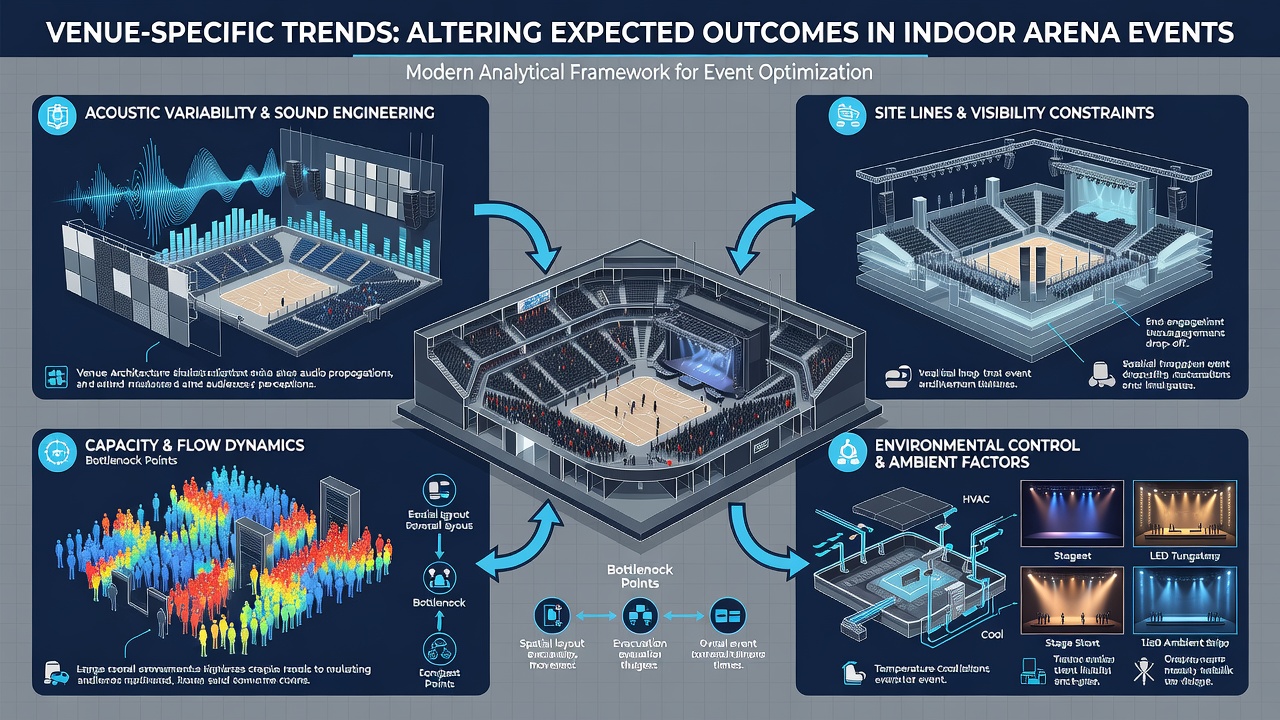
Crowd noise levels inside enclosed structures reach sustained peaks that exceed 100 decibels in many NBA and NHL venues, and this acoustic profile disrupts verbal signals between players on the visiting side. Researchers from sports science programs have measured increased false-start penalties and miscalled defensive assignments when visiting squads face home crowds seated within ten meters of the sidelines. Arena designs that incorporate reflective wall materials amplify these effects, whereas those with absorptive panels moderate sound propagation and produce different statistical profiles in the same sport.
Lighting configurations constitute another variable tracked by analysts, since fixture placement and bulb temperature affect depth perception during high-trajectory shots. Several facilities upgraded to LED arrays in recent years, and subsequent season data indicated small but consistent rises in three-point accuracy for squads accustomed to the new spectra.
Climate Control and Player Endurance
Temperature and humidity settings maintained by arena operators range from 18 to 24 degrees Celsius with relative humidity between 40 and 60 percent, and these parameters influence muscle response times and perspiration rates. Longitudinal studies compiled by the Australian Institute of Sport and comparable European research centers demonstrate that players traveling from drier climates exhibit elevated heart-rate recovery intervals when competing in more humid indoor environments. League-wide injury reports from July 2026 onward continue to list strains and cramps at higher frequencies during the first half of road games in facilities known for elevated moisture levels.
Travel Distance and Recovery Windows
Geographic clustering of indoor venues creates unequal recovery periods for visiting teams, and schedule analysts have quantified how cross-country flights followed by immediate practice sessions correlate with reduced field-goal percentages in the opening quarter. Data aggregated from multiple professional leagues shows that teams with fewer than 24 hours between arrival and tip-off post lower assist-to-turnover ratios than those granted additional rest. Venue-specific preparation routines, including access to identical practice courts the day before competition, appear to narrow these gaps according to performance logs maintained by team staff.
Seating Configuration and Sightline Effects
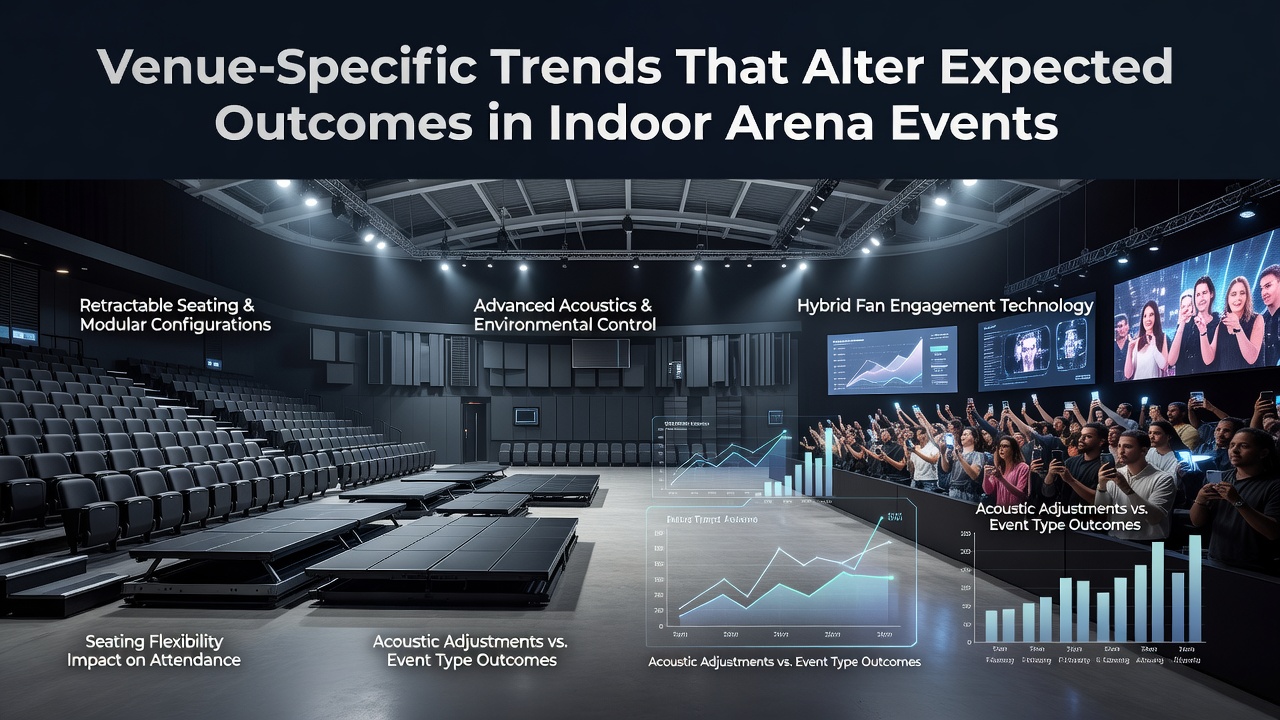
Lower bowl seating arrangements that place spectators directly behind backboards can alter shooter focus during free-throw attempts, and video review studies have recorded slight increases in release-angle variance under these conditions. Arenas featuring continuous lower-level seating around the entire court versus those with open baseline areas generate divergent home-team advantage margins when examined across full seasons. Facility operators continue to adjust temporary seating for concerts and other events, which occasionally modifies these sightline patterns for subsequent athletic contests.
Conclusion
Comprehensive records maintained by governing bodies and independent research groups establish that indoor arena characteristics produce repeatable shifts in performance metrics across basketball, hockey, volleyball, and other enclosed sports. These shifts arise from interactions among floor composition, acoustic profiles, lighting spectra, climate settings, recovery intervals, and seating geometry, each of which receives ongoing measurement through sensor networks and statistical tracking. Continued data collection through 2026 and beyond will refine models that account for these venue-specific influences when evaluating expected results.