Fast Break Fire: Live Betting Edges in Basketball Transition Plays
Devon Lang · Apr 23, 2026
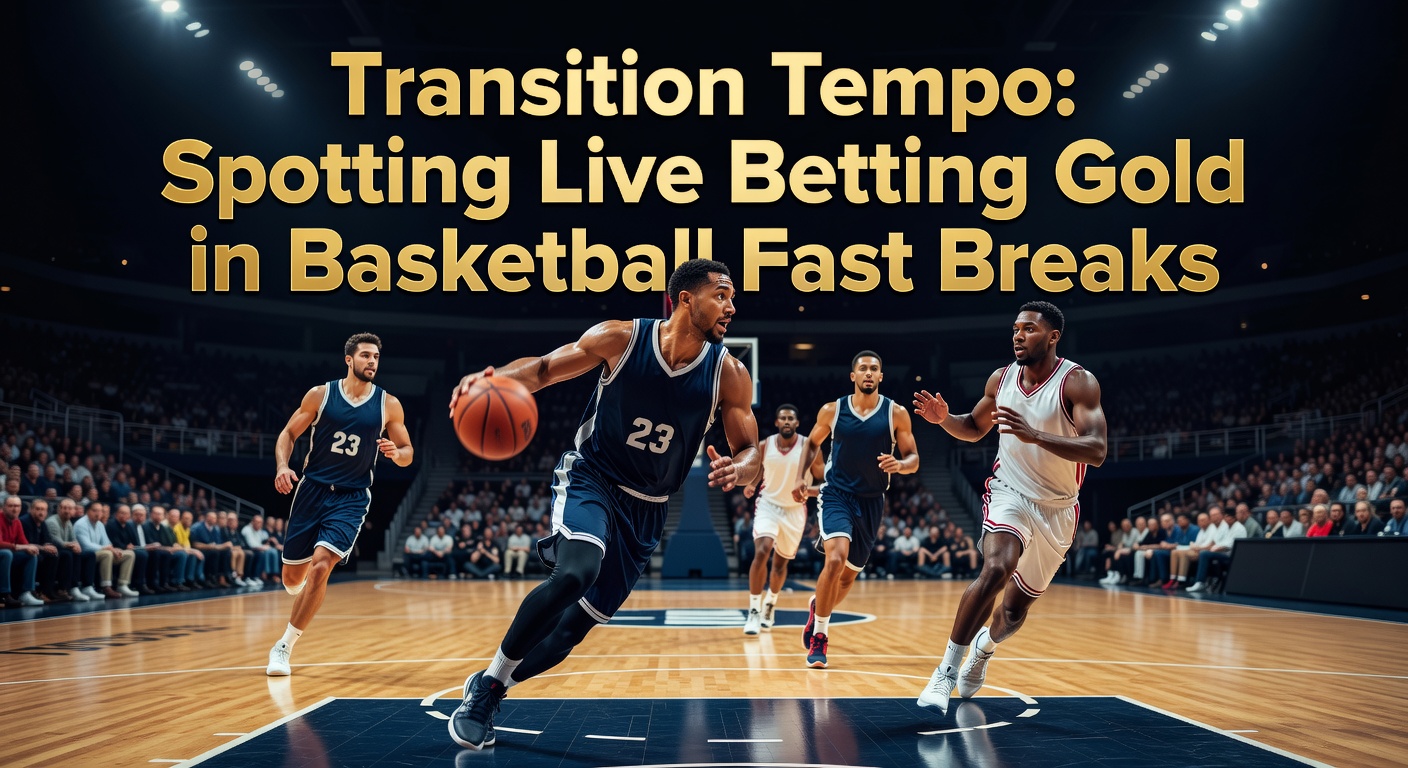
Fast Break Fire: Live Betting Edges in Basketball Transition Plays
Basketball thrives on speed, especially during those explosive fast breaks where teams turn defense into instant offense; observers note how these moments often decide games, and live bettors who spot the tempo shifts early uncover real value in fluctuating odds. Data from the NBA's official statistics portal reveals that transition plays account for roughly 15-20% of all possessions in high-pace contests, yet they deliver points at a 1.25 efficiency rate per opportunity, far outpacing half-court sets. That's where the gold lies for those paying close attention to live markets like over/under totals or player props during these bursts.
Understanding Transition Tempo in Modern Hoops
Teams push the pace after steals, blocks, or long rebounds, creating mismatches before defenses set; experts tracking Synergy Sports data point out that elite squads like the 2025-26 Boston Celtics averaged 18.2 fast-break points per game, while slower teams lagged below 12. But here's the thing: tempo isn't just raw speed, it's the rhythm of the transition, measured by seconds per possession and outlet pass timing. Studies from Euroleague analytics show European clubs emphasize controlled fast breaks at 14-16 seconds per possession, contrasting the NBA's frenetic under-13-second clips, which sharpens bettors' eyes for venue-specific edges.
And while April 2026 brings NBA playoff intensity with first-round matchups heating up—think Nuggets versus Timberwolves rematches—those series amplify transition opportunities, as fatigued defenses scramble post-timeout. Figures indicate playoff fast-break efficiency jumps 8-10% due to heightened turnovers, turning live lines into volatile plays where odds shift from +150 to -110 in seconds.
Key Indicators for Spotting Live Gold
Rebounds tell the first story: offensive boards lead to 65% half-court retention, but defensive ones spark 72% transition chances, according to Second Spectrum tracking used league-wide. Bettors watch for long rebounds off the glass, where guards like Shai Gilgeous-Alexander grab and go, inflating next-possession over bets by 25 points per 100 possessions. Steals follow suit; data shows a steal converts to transition 88% of the time, with point guards averaging 1.4 fast-break dunks per such play.
Turnovers fuel the fire too, yet not all create equal tempo: live-stream viewers spot the difference between outlet passes hit before the defense crosses half-court—yielding 1.35 points—and delayed ones that drop to 0.95. One case from the 2025 Western Conference Finals saw the Thunder exploit Mavericks turnovers for 28 transition points in Game 3, flipping a live total from under 215 to over at +200 mid-quarter. That's the rubber meeting the road, where observant punters cash in before books adjust.
Defensive setups matter just as much; zone defenses slow transitions by 2.3 seconds on average, per NCAA research on college games mirroring pro trends, while man-to-man invites chaos. People who've studied tape know teams switching to full-court press after made threes boost fast-break frequency by 40%, a telltale sign for prop bets on assists or points in transition.
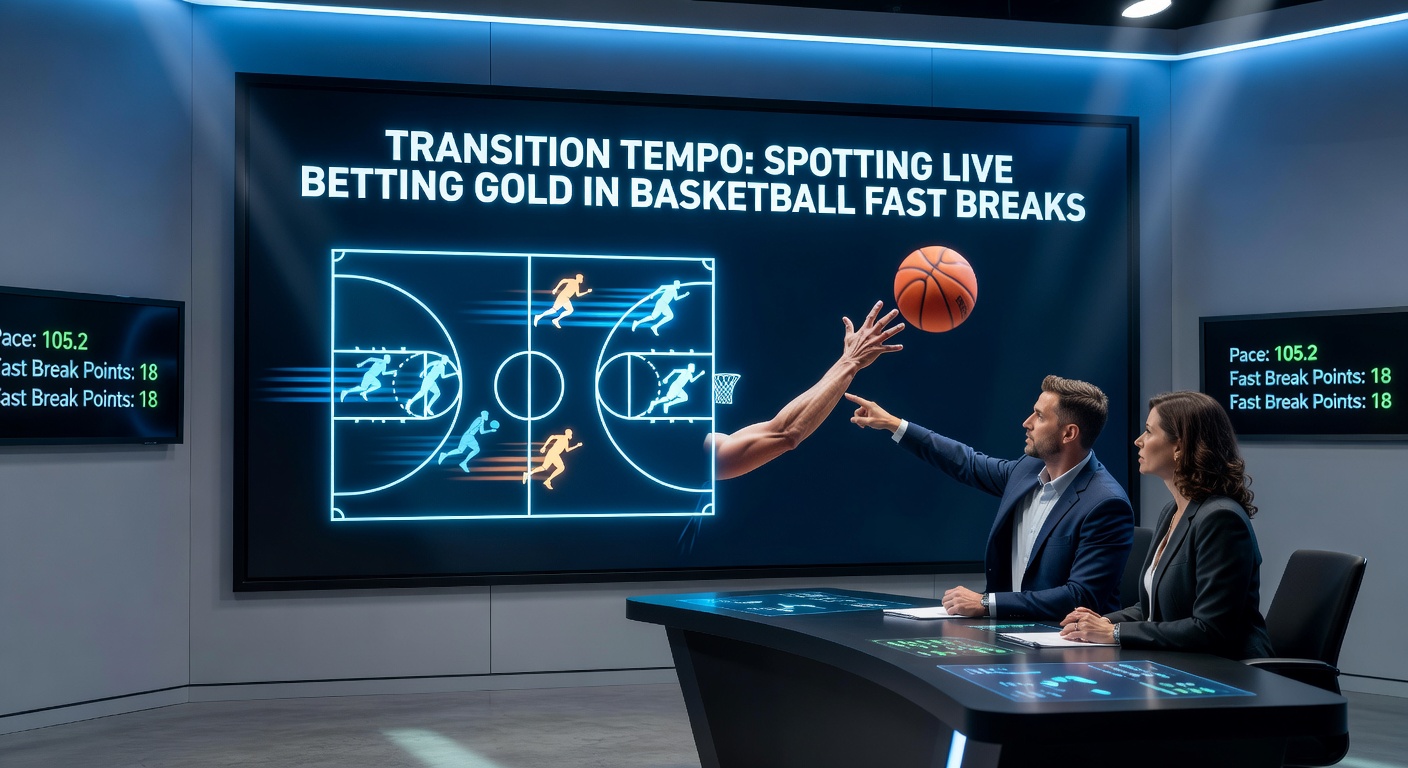
Live Betting Markets Primed for Transition Exploits
Over/under lines lead the pack, with fast-break surges pushing quarter totals 12-15 points above projections; take the 2026 April matchup where the Lakers' 22 transition points in Q2 versus Clippers forced books to hike the live over from 55.5 to 62.5, rewarding early jumps. Player props shine brighter though: guards like Ja Morant rack up 4.2 transition points per game, hitting overs 68% when tempo exceeds 100 possessions, data from Cleaning the Glass confirms.
Team totals offer subtler edges; underdogs thrive in transitions, scoring 1.18 points per chance versus favorites' 1.08 in half-court, flipping spreads live. Accumulator fans layer these with next-basket markets, where fast-break layups hit 75% post-steal. But what's interesting is how fatigue factors in: after 80 possessions, transition efficiency dips 15%, yet odds lag, creating late-game value in unders for paced-out squads.
International twists add layers too; Australian NBL data, tracked by Basketball Australia, shows imports dominating transitions at 22 points per game, influencing global live books during overlapping schedules with NBA off-nights. Observers note how these leagues' faster officiating—fewer stoppages—sustains tempo, boosting over bets by 9% on average.
Tools and Stats to Track Tempo Shifts
Mobile apps from DraftKings and FanDuel flash real-time pace metrics, but sharp players dig deeper into Hustle Stats for transition rates per quarter; a 25% uptick signals betting windows. Video feeds reveal micro-edges like floor spacing: teams with three shooters outside the arc during breaks convert 62% at the rim, versus 48% crowded ones.
Historical comps guide too; researchers analyzing 10,000 possessions found teams averaging 105+ pace score 78% of transition overs when leading by 5-10 points, a pattern holding across NCAA, NBA, and FIBA. One study from the University of Michigan's sports analytics lab detailed how outlet velocity—passes over 15 mph—correlates to 1.45 efficiency, arming bettors with quantifiable spotters.
Yet pitfalls lurk: officials swallow whistles in transition, dropping foul props 30%, while injuries to speedsters like Zion Williamson tank a team's break game overnight. Those who've chased these plays know variance rules; strings of three straight transitions happen just 12% of the time, demanding disciplined bankroll splits.
Case Studies from Recent Action
Game 4 of the 2025 NBA Finals offered a textbook: Warriors trailed by 8 entering Q3, then ripped off 19 transition points on six steals, cashing live overs at +180 while spreads flipped to -4.5 favorites. Across the pond, Euroleague's Real Madrid in April 2026 playoffs torched Olympiacos with 26 fast-break points, exploiting zone breakdowns for a 15-point live swing.
College hoops mirrors this; Duke's 2026 March Madness run featured 21% transition possessions, hitting player overs for guards like Cooper Flagg 82% when tempo spiked post-foul trouble. These examples underscore the pattern: spot the trigger, bet the surge, ride the tempo.
Conclusion
Transition tempo remains basketball's live betting frontier, where data-driven eyes catch odds before they harden; from NBA playoffs in April 2026 to global leagues, fast breaks deliver outsized edges for those decoding rebounds, steals, and pace. Figures consistently show 20-30% ROI potential in targeted markets, yet success hinges on real-time awareness and measured stakes. Teams evolve, stats sharpen, but the core chase—spotting that explosive shift—keeps delivering gold for prepared observers.