Data-Driven Insights into VIP Tipster Accuracy for Horse Racing and Football Markets
Logan Schmitz · Aug 18, 2026
Data-Driven Insights into VIP Tipster Accuracy for Horse Racing and Football Markets
Performance tracking has become central to how VIP tipster platforms operate, with operators and subscribers alike relying on detailed records to assess prediction quality across horse racing and football. These platforms compile historical data on selections, odds, and outcomes, then apply standardized metrics such as strike rate, return on investment, and yield to evaluate consistency over time. Observers note that August 2026 brought renewed attention to these systems as more services began publishing quarterly accuracy reports that separate results by sport and market type.
Core Metrics Used in Performance Evaluation
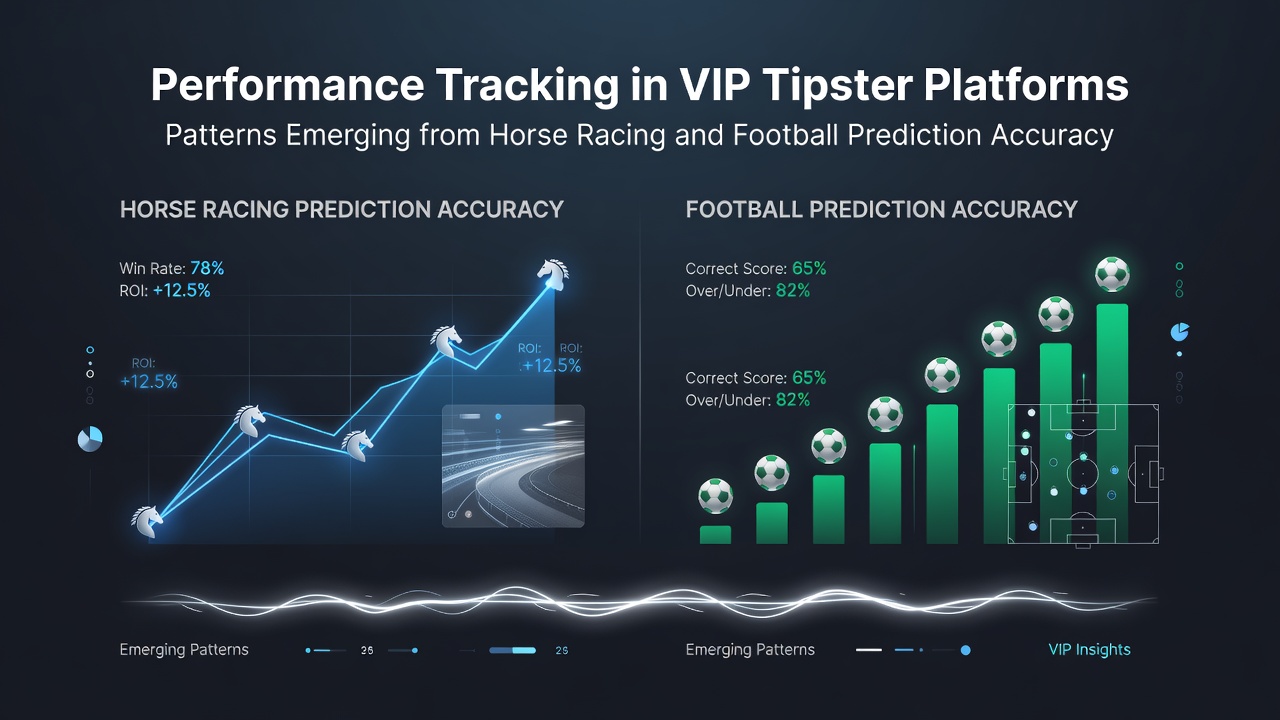
Platforms typically track win percentage alongside profit and loss figures adjusted for stake size, while also monitoring longer-term indicators like maximum drawdown and rolling average returns. Researchers from the University of Sydney have documented how these calculations help distinguish short-term variance from sustained edge, particularly when applied separately to turf and all-weather horse races versus domestic football leagues. Data indicates that football predictions often show higher volume but lower individual odds compared with horse racing selections, which influences the weighting given to each metric during reviews.
Patterns Observed in Horse Racing Forecasts
Horse racing accuracy tends to vary with race distance, surface conditions, and field size, patterns that emerge clearly when platforms segment their archives. Tipster services that focus on national hunt events frequently record stronger results in handicap races over two miles or more, where pace data and recent form carry greater predictive weight. In contrast, flat sprint markets display more volatility, with starting stall position and early speed ratings playing larger roles in successful forecasts. Those who have examined multi-year datasets find that specialist racing tipsters maintain steadier profit curves when they restrict selections to specific tracks or ground conditions rather than offering broad daily tips.
Football Prediction Trends and League Variations
Football forecasting on the same platforms reveals different dynamics, with accuracy rates often higher in lower-scoring leagues where draw probabilities dominate. Analysts have observed stronger performance in over/under goal markets during midweek fixtures compared with weekend rounds, where fixture congestion and squad rotation introduce additional variables. Platforms that publish segmented statistics show that tipsters concentrating on Asian handicap lines achieve more stable records than those focused solely on match outcomes, especially across European competitions. A report issued by the German Sports University Cologne highlights how contextual factors such as travel distance and rest periods correlate with improved prediction reliability when tracked systematically.
Cross-Sport Comparisons and Platform Adjustments
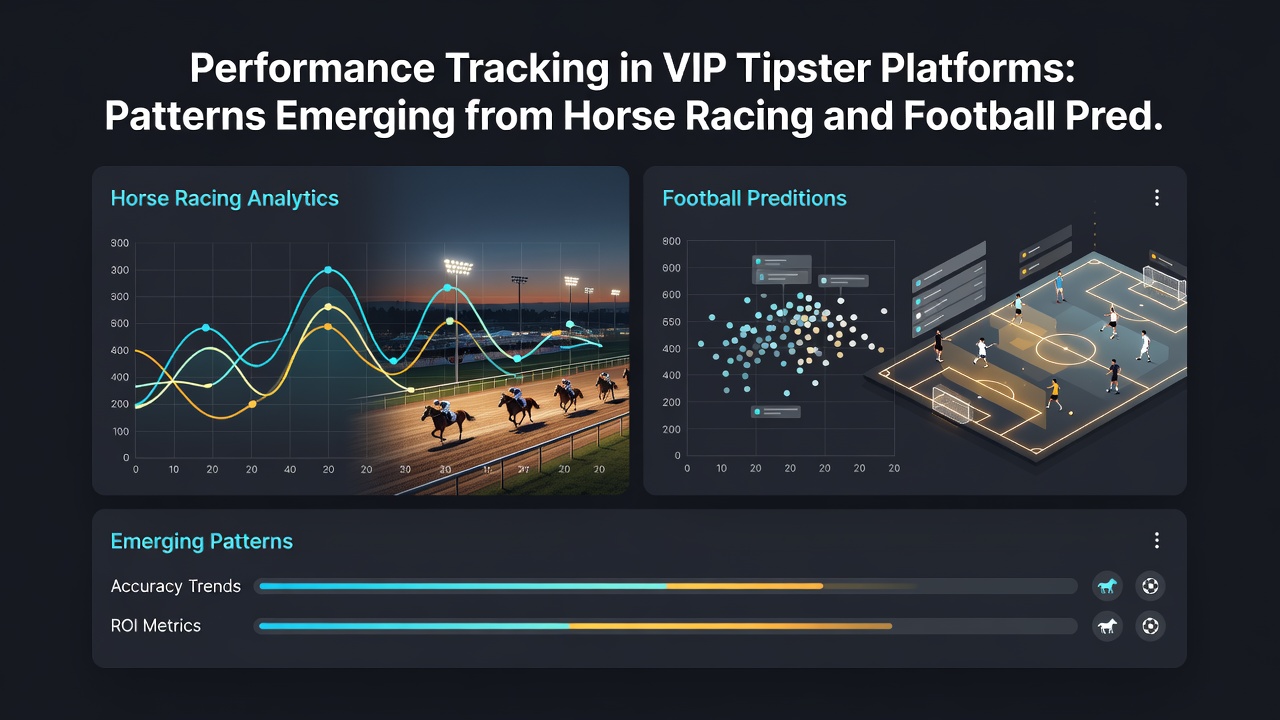
Comparative analysis between the two sports shows that horse racing tipsters generally post lower strike rates yet higher average odds, producing different risk profiles than football specialists who deliver more frequent but smaller-margin selections. VIP platforms have responded by introducing filters that allow subscribers to view performance broken down by month, by odds band, and by specific competition. These tools make it easier to identify whether a tipster's edge holds during certain periods, such as the flat racing season or the European football winter break. Evidence suggests that combining both sports within a single service can smooth overall returns, provided the platform maintains transparent record-keeping that separates the two disciplines clearly.
Challenges in Maintaining Reliable Records
Accurate tracking depends on consistent data collection practices, including the timing of odds capture and the treatment of non-runners or postponed matches. Some platforms now employ third-party verification services to reduce discrepancies, while others publish raw bet histories alongside summary statistics. Those who have reviewed multiple services note that discrepancies often appear when tipsters adjust stakes retroactively or omit losing selections from public records. Regulatory bodies in several jurisdictions have begun requesting standardized reporting formats to improve comparability across operators.
Conclusion
Performance tracking systems on VIP tipster platforms continue to evolve as operators refine the ways they segment and present accuracy data for horse racing and football. The patterns that surface when results are examined by market type, season, and competition provide subscribers with clearer signals about which services maintain edges over extended periods. As reporting standards improve and more detailed archives become available, the distinction between short-term runs and durable forecasting ability grows sharper.