Coaching Adjustments Reshape Quarter Trends in Professional Basketball
Devon Lang · Jul 14, 2026
Coaching Adjustments Reshape Quarter Trends in Professional Basketball
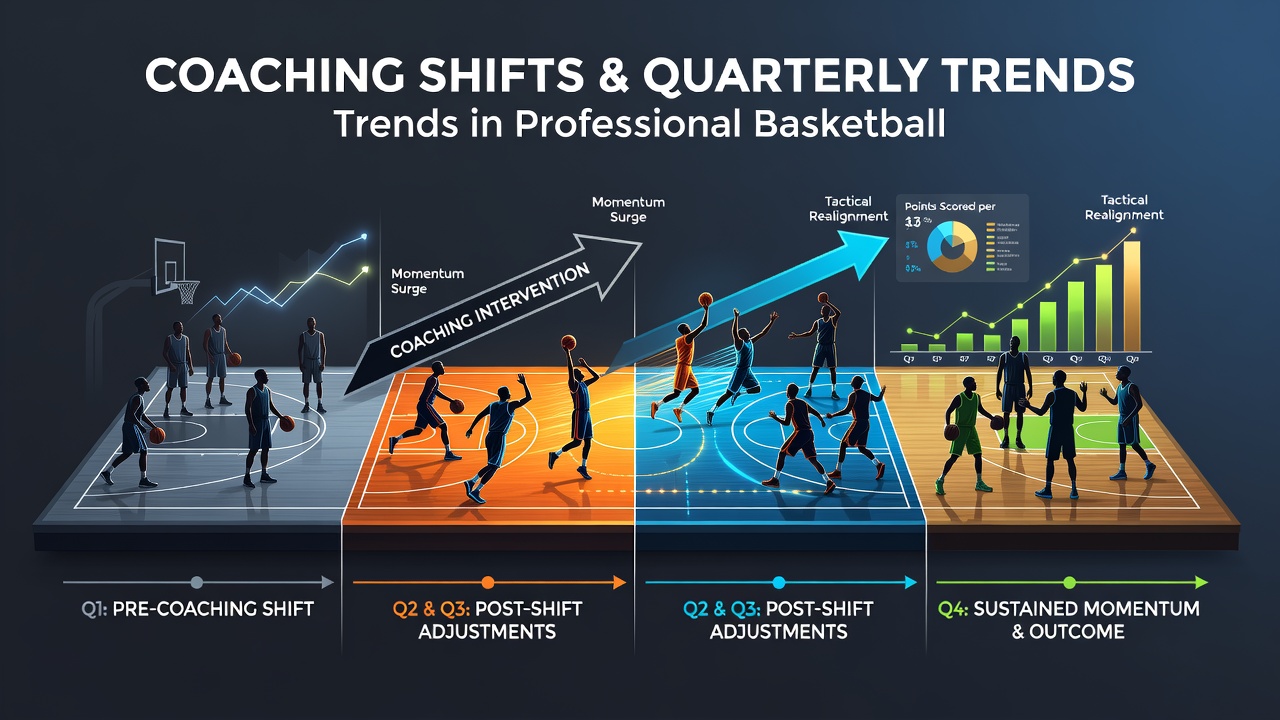
Professional basketball relies on coaches who make precise changes between quarters to influence game flow and team performance, and these adjustments often produce measurable shifts in scoring patterns, defensive intensity, and player efficiency across each period. Data from league tracking systems shows that teams which alter their defensive schemes at halftime frequently see reduced opponent field goal percentages in the third quarter compared to the opening period. Such patterns emerge because coaches study first-quarter tendencies and respond with targeted substitutions or tactical tweaks that exploit opponent weaknesses.
First Quarter Foundations and Early Signals
Teams typically establish baseline strategies in the opening quarter where starters set the pace and initial defensive matchups determine early momentum. Observers note that coaches monitor shooting efficiency and rebounding rates closely during these minutes because those metrics guide decisions for the remainder of the half. Research from sports analytics groups indicates that squads with higher assist-to-turnover ratios in the first quarter maintain better control through subsequent periods when coaches reinforce successful plays rather than overhauling them prematurely.
Coaches often wait until the second quarter to introduce bench units that test alternative lineups against fatigued starters. This approach allows teams to preserve energy for later quarters while gathering data on how opponents react to different defensive pressures. Figures from multiple NBA seasons reveal that bench-heavy second quarters correlate with improved fourth-quarter performance when starters return refreshed and adjusted to specific matchups.
Halftime Shifts and Third Quarter Impacts
Halftime provides the longest window for comprehensive analysis, and coaches use this break to implement larger strategic changes that alter quarter-by-quarter trends. Adjustments might include switching from man-to-man to zone defenses or modifying offensive sets to counter double-team tendencies observed earlier. Those who've studied league data find that teams executing halftime defensive changes post fewer points allowed in the third quarter on average, particularly when the modifications address specific player hot streaks from the first half.
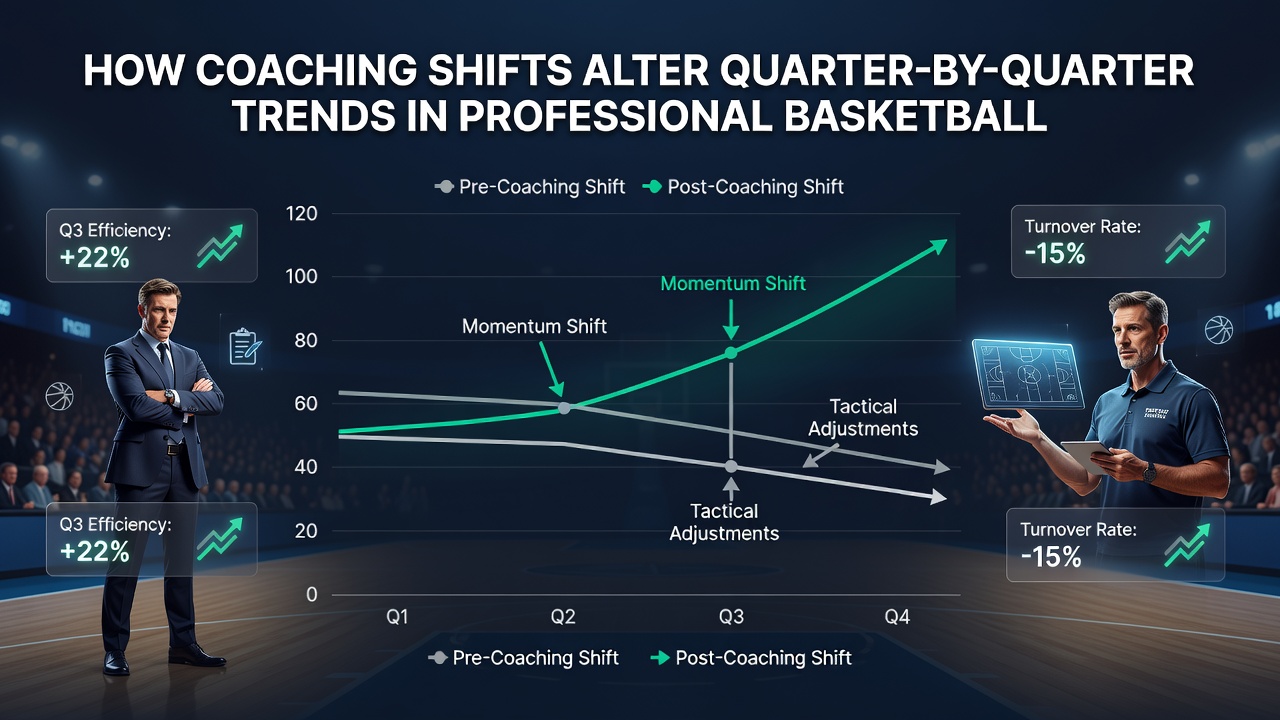
Player rotations also evolve after halftime, as coaches balance minutes to avoid foul trouble while positioning key performers for critical stretches. Evidence from performance tracking platforms suggests that increased minutes for versatile forwards in the third quarter boosts transition scoring when coaches emphasize pace changes. What's interesting here is how these shifts interact with opponent fatigue, creating opportunities that compound through the final periods.
Fourth Quarter Decisions and Closing Trends
Late-game coaching emphasizes closing lineups and timeout management that directly influence win probabilities. Coaches often deploy smaller, quicker units in the fourth quarter to increase defensive versatility, and league statistics indicate such moves raise steal rates while maintaining scoring output. And yet the effectiveness depends on earlier adjustments because accumulated data from prior quarters informs which players remain effective under pressure.
Timeout usage patterns further highlight coaching influence, with data showing that strategic breaks in the final minutes reduce opponent scoring runs when teams regroup around defensive assignments. Researchers at institutions like the University of Michigan's sports science program have examined these sequences, noting correlations between early quarter adjustments and sustained fourth-quarter leads. As teams prepare for the 2026-2027 campaign following developments observed in July 2026 training camps, analysts expect continued refinement of these quarter-specific tactics across professional leagues.
Conclusion
Coaching shifts between quarters create cascading effects on professional basketball trends because each adjustment builds on data gathered from previous periods. Teams that integrate timely substitutions, defensive modifications, and rotation management demonstrate consistent improvements in efficiency metrics across games. These patterns underscore how strategic decisions at specific junctures reshape outcomes without relying on single-quarter heroics alone.