BHA Eyes Direct Action: Racing Leaders Gear Up to Challenge Affordability Checks in High-Stakes Push
Devon Lang · Apr 14, 2026

BHA Eyes Direct Action: Racing Leaders Gear Up to Challenge Affordability Checks in High-Stakes Push
The Brewing Storm Over Affordability Checks
The British Horseracing Authority (BHA), under chief executive Brant Dunshea, has voiced readiness for more direct protests against proposed government affordability checks targeting punters; these measures, set for a decision by the Gambling Commission next month, build tension in an industry already reeling from bets dropping £2bn since 2021. Racing figures worry the checks could demand personal documentation from up to 120,000 regular gamblers, potentially shoving 44,000 toward black market operators while costing the sector tens of millions in lost turnover. And that's where things get dicey, as leaders draw lessons from past wins like the 'Axe the Racing Tax' campaign that derailed a betting levy hike.
Observers note how this openness to street-level action marks a shift; Dunshea's comments, delivered amid April 2026 discussions, signal the BHA won't shy from rallies or disruptions if the checks proceed, especially since they threaten an already fragile ecosystem where punter spend has plummeted. Data underscores the stakes: with turnover shrinking and black market risks rising, the industry sees these checks not just as red tape, but as a direct hit to racing's lifeline.
Unpacking the Checks and Their Reach
These affordability checks, part of broader gambling reforms, would scrutinize betting habits by requiring proof of funds from high-volume punters; figures reveal around 120,000 individuals could face paperwork demands, a group that fuels much of racing's revenue stream. But here's the kicker: analysts project 44,000 might bail for unregulated sites, draining tens of millions from licensed bookmakers and, by extension, racing prize funds which rely on levy contributions.
Since 2021, UK betting on horseracing has nosedived by £2bn, per industry trackers; add in these checks, and the math turns grim, with experts calculating potential losses that could squeeze tracks, trainers, and jockeys already navigating slim margins. It's noteworthy that similar friction points have popped up before, yet this time the timeline presses hard, as the Gambling Commission eyes a verdict in May 2026, leaving racing leaders little room to maneuver without bold moves.
Dunshea Leads the Charge at BHA
Brant Dunshea, steering the BHA through choppy waters, has made it clear the authority stands open to "more direct protests," echoing tactics that worked wonders against prior threats; his stance, laid out in recent interviews, rallies stakeholders from trainers to bookies who see the checks as overreach that ignores racing's unique economics. People who've followed these battles know Dunshea's not bluffing; the BHA's playbook now includes mobilizing crowds, much like the levy fight where public pressure flipped government plans.
And while Dunshea emphasizes dialogue first, he hints at escalation if talks stall, positioning the BHA as the vanguard for an industry where punter freedom ties directly to track viability; that's the reality racing faces, with declining bets amplifying every regulatory ripple.
Echoes of the 'Axe the Racing Tax' Triumph
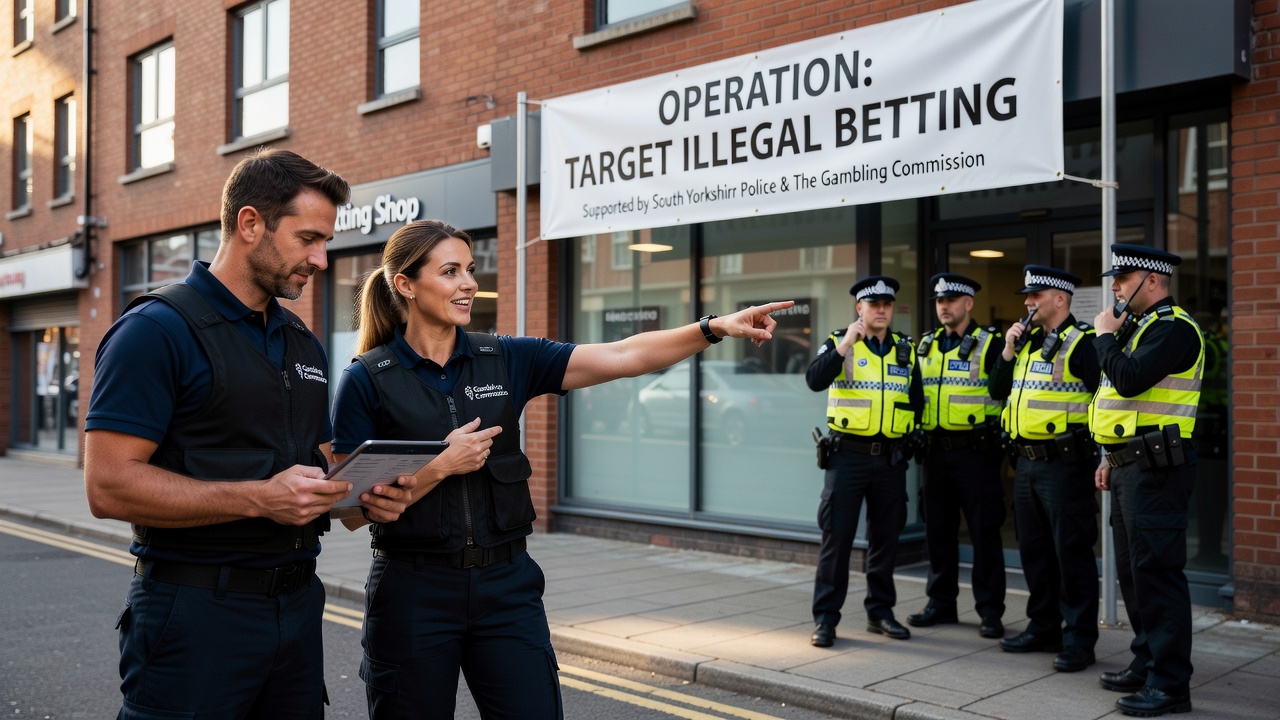
The 'Axe the Racing Tax' campaign offers a blueprint, having halted a proposed levy increase through grassroots uproar and high-profile lobbying; back then, racing united to spotlight how higher taxes would gut funding, much like affordability checks now risk doing by scaring off bettors. Participants in that drive included top trainers, owners, and fans who flooded streets and inboxes, forcing policymakers to backpedal; today's push mirrors that energy, with Dunshea nodding to its success as proof direct action pays off.
What's interesting is how patterns repeat: both fights center on protecting punter access while safeguarding racing's revenue, and with £2bn already lost since 2021, leaders argue history demands repetition; one campaign veteran recalled how turnout swayed opinions overnight, a tactic the BHA now eyes for April-May 2026 crunch time.
The Open Letter: 400+ Voices Unite
Over 400 racing luminaries have penned an open letter to Culture Secretary Lisa Nandy, urging her to axe or amend the checks before the Gambling Commission's call; signatories span jockeys, trainers, executives, and enthusiasts, their collective plea detailed in a missive that hit headlines via The Guardian. The letter hammers home the black market peril, citing projections of 44,000 gamblers fleeing and millions in evaporated turnover; it's a calculated volley, blending data with urgency to prick Whitehall's conscience.
Figures like these carry weight because they represent the industry's heartbeat; trainers who've poured careers into the sport sign alongside bookmakers facing the pinch, creating a chorus that amplifies Dunshea's protest signals. And as Nandy weighs in amid election-year politics, this unified front tests whether racing can again bend policy to its needs.
Timeline and Broader Ripples
With the Gambling Commission slated to rule next month, April 2026 buzz has intensified; BHA strategists map out protest contingencies, from peaceful demos to media blitzes, all while tracking Nandy's response to the letter. Declining bets compound the pressure, down £2bn since 2021 according to levy reports, so any further erosion via checks hits where it hurts most: prize money and jobs.
Take one track operator who crunched numbers: a 10% turnover dip equals slashed purses, idled stables, and quieter stands; such cases, shared in industry forums, fuel the fire for action. Yet observers point out the checks aim to curb problem gambling, creating a tug-of-war where racing pushes back not on welfare, but on disproportionate impacts.
Industry Fallout and Black Market Shadows
Tens of millions in projected losses loom large, with 120,000 punters potentially tangled in verification; black market operators, unregulated and unchecked, stand ready to siphon those 44,000, eroding the levy that bankrolls British racing. Data from similar regimes elsewhere shows bettors flock to shadows when hurdles rise, a trend UK leaders aim to dodge through protest.
But here's where it gets real: with sports betting overall surging elsewhere, racing's slump demands punter retention; Dunshea's team knows the ball's in Nandy's and the Commission's court, yet history suggests noise-making shifts odds.
Looking Ahead: Racing's Next Hurdle
As May 2026 nears, the BHA's protest posture, backed by 400+ signatures and levy-fight nostalgia, positions racing for a pivotal clash; declines since 2021 underscore vulnerabilities, while check projections paint stark losses if unchecked. Stakeholders watch closely, knowing direct action has toppled threats before; the coming weeks will reveal if history rhymes again, with Dunshea at the helm steering toward safer ground. Turns out, in racing's high-stakes game, the writing's on the wall: adapt or rally, but never quietly.