Analyzing Pace Variations and Energy Distribution in NBA Consecutive Segments
Logan Schmitz · Aug 20, 2026
Analyzing Pace Variations and Energy Distribution in NBA Consecutive Segments
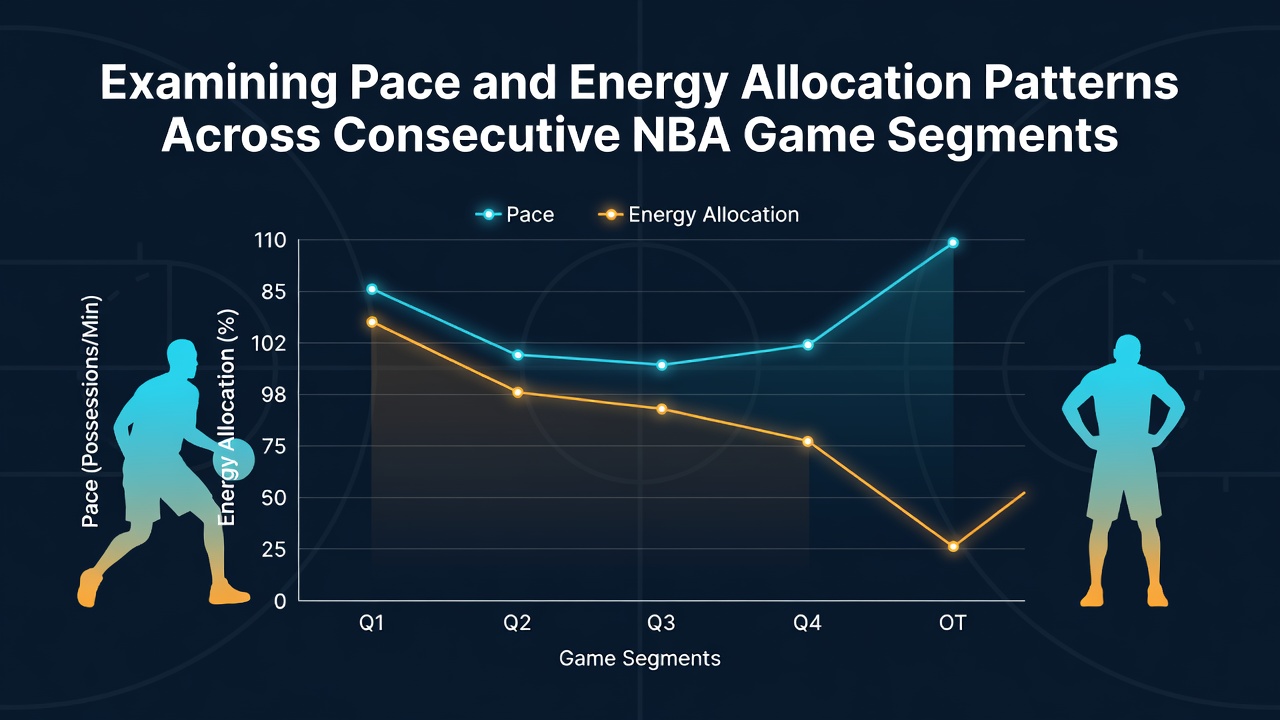
Researchers have examined how NBA teams manage pace and energy across game segments, and data from multiple seasons shows consistent shifts in tempo between quarters as well as between back-to-back contests. Teams often start contests at higher speeds in the first quarter, then adjust their movement rates as fatigue accumulates, while consecutive games introduce additional recovery variables that influence second-night performances. Observers note these patterns through tracking systems that record speed, distance covered, and possession duration, revealing how players allocate bursts of activity across 12-minute periods.
Tracking Systems and Segment Data Sources
League-wide optical tracking and wearable devices capture player movements in real time, and figures from the 2024-2025 campaign indicate average team pace reaches 102.4 possessions per 48 minutes in opening quarters before declining to 97.8 in fourth quarters during non-consecutive games. When teams play on consecutive nights, the drop becomes steeper, with second-game opening segments averaging 98.6 possessions according to aggregated league reports. Analysts cross-reference these numbers with rest intervals, travel distance, and minutes played by key rotation players to isolate energy-related effects.
Single-Game Quarter Patterns
Within individual games, teams allocate higher energy outputs early because fresh legs allow sustained defensive pressure and transition opportunities, yet data indicates a measurable slowdown after halftime as coaches substitute strategically and players conserve for closing segments. One study of 1,200 regular-season games found that teams trailing by double digits at the start of the third quarter increased their pace by 3.2 possessions on average to force turnovers, while leading squads reduced tempo to control clock usage. These adjustments appear across both conference schedules and show little variation by month, though August 2026 preseason metrics suggest similar trends hold even in exhibition settings where experimental lineups test different rotation lengths.
What's notable is how individual player tracking highlights position-specific differences, with guards maintaining higher average speeds across all quarters compared to frontcourt players who exhibit sharper declines in distance covered during the final 12 minutes. External factors such as arena altitude and game time also factor into recorded outputs, and researchers continue to refine models that account for these variables when comparing across arenas.
Back-to-Back and Multi-Game Sequences
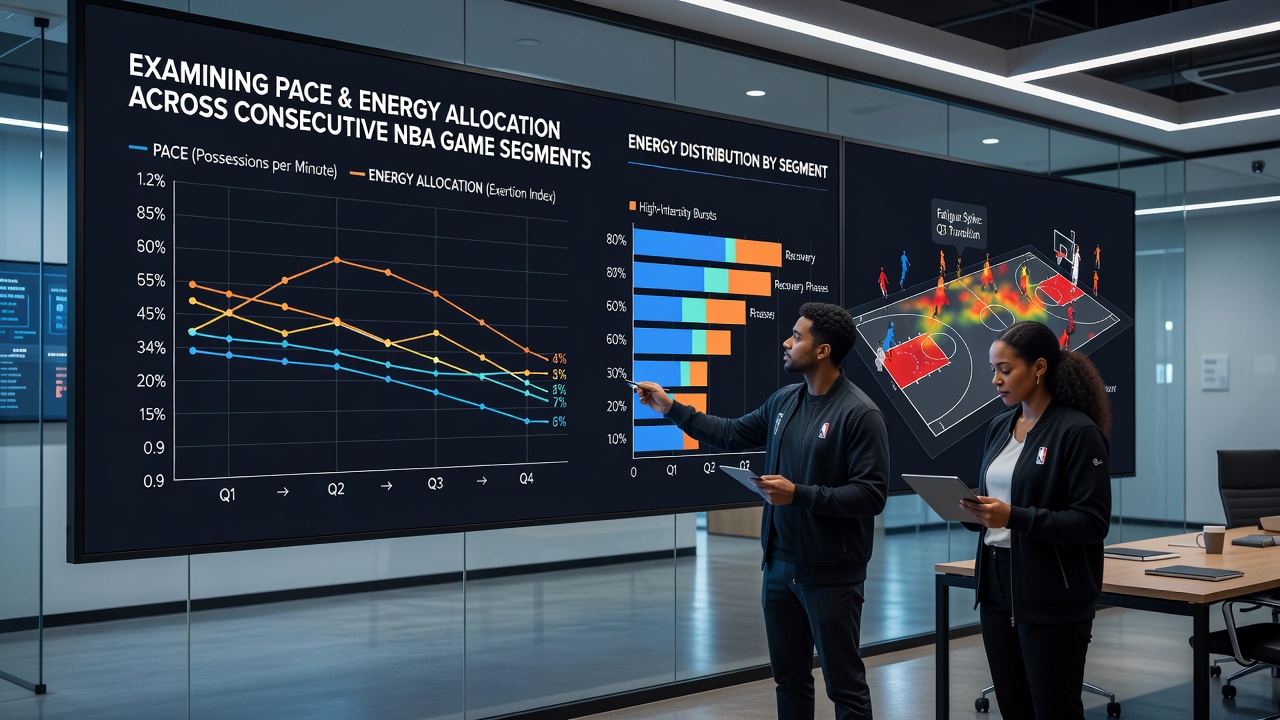
Consecutive game segments introduce cumulative load that alters typical single-game curves, and league data compiled through player monitoring programs shows second-night pace reductions of 4 to 6 possessions per game on average. Teams traveling across time zones experience slightly larger drops, yet the effect remains consistent even in intra-conference short-haul matchups. Studies from sports performance laboratories indicate that players logging over 30 minutes in the first game of a back-to-back pair reduce their high-intensity movement by 12 percent in the following contest, while those with fewer minutes maintain closer to baseline outputs.
Coaching staffs adjust rotations accordingly, often shortening starter minutes on the second night or deploying specialized defensive units earlier to manage energy reserves. Data from the 2025-2026 regular season demonstrates that teams with three games in four nights post even steeper declines in fourth-quarter pace, dropping to 94.1 possessions on the final evening of such stretches. These figures come from synchronized datasets that combine official play-by-play logs with biometric readings collected by team medical staffs.
Comparative Insights Across Seasons
Longer-term comparisons reveal that rule changes emphasizing physicality have influenced energy allocation, with teams adapting by inserting more frequent substitutions during middle quarters to preserve closing-lineup freshness. Research published through academic sports science channels links these patterns to improved injury metrics when load management protocols align with observed pace drops. League statistical archives provide the foundational datasets, while additional modeling from university performance labs adds context on recovery timelines between segments.
August 2026 updates to tracking technology have allowed finer granularity in measuring micro-movements during stoppages, and early returns suggest teams are refining their in-game energy distribution even further based on real-time feedback. Patterns remain stable across different playing styles, whether up-tempo or half-court oriented, indicating that physiological limits rather than strategic preferences drive many of the observed reductions.
Conclusion
Segment-by-segment analysis of NBA pace and energy allocation continues to supply actionable information for performance staff, and ongoing data collection across consecutive games highlights predictable adjustments that teams make to sustain output. As monitoring tools advance, researchers expect even more precise identification of optimal substitution windows and recovery windows that align with observed tempo shifts. These objective measurements provide a clearer picture of how professional basketball athletes manage physical demands across packed schedules.